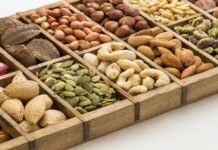
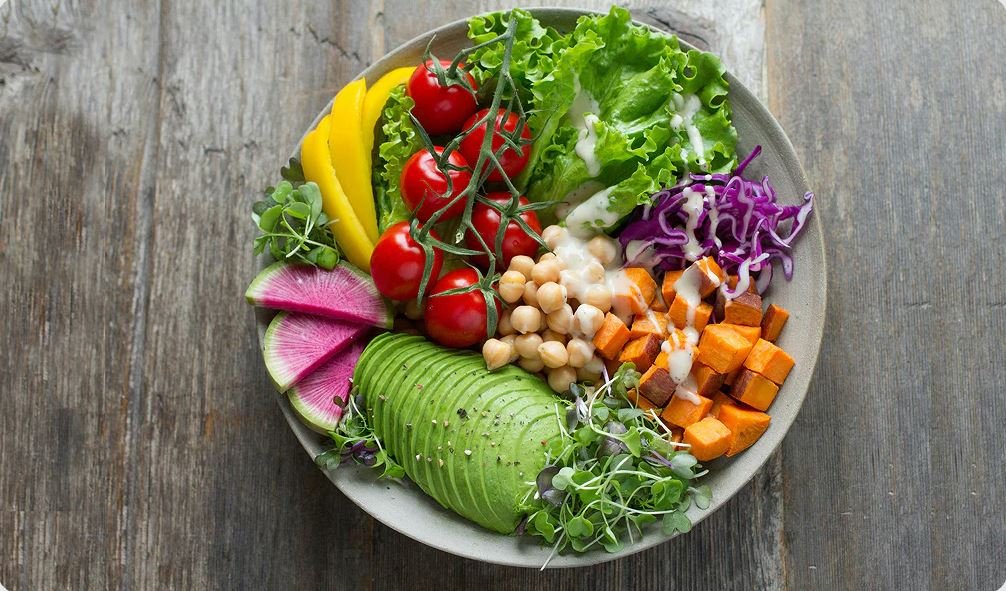
Many people are often confused about the options of foods that are vegetarian and high in protein. People on the list of high-protein vegetarian foods often think of only paneer or dal. But guess what? The world of the best vegetarian sources of protein is very rich and you can find many food alternatives delivered with as much or more nutrition as the vegetarian alternatives to meat.
It’s important to have variety, but relying on a single protein containing food veg is not the best idea. The amino acid composition of various foods differs and combining different foods will provide complete nutrition. If you’re after the best high-protein, meat-free foods, then you have come to the appropriate location. This Blog will provide you with the most suitable protein sources for Vegans.
Table of Contents
Vegetarian Sources of Protein
1. Tofu (Soy Paneer)
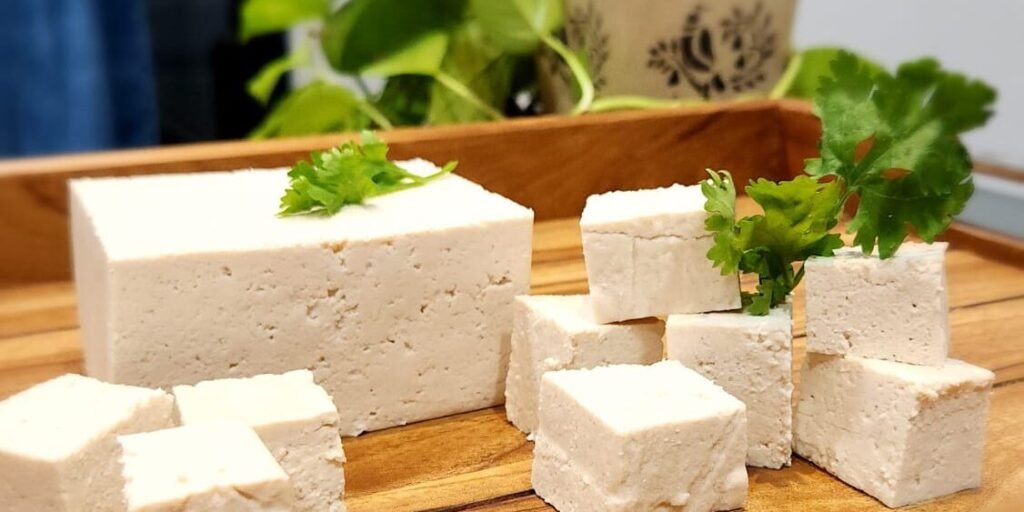
Soy Paneer (commonly known as tofu) is a nutritionally good, plant-based product with approximately 10g of protein per 100g. It is considered to be a complete protein because it provides all the 9 essential amino acids that are essential for the human body to build, repair and maintain protein. Tofu can also be advantageous for vegans and vegetarians as it offers them enough iron, calcium and other nutrients. Super versatile for cooking as it absorbs flavors and sauces, and has a very soft texture. Tofu can be added to stir-fry, salad or curry and cooked and grilled individually, it is an excellent option for a healthy and satisfying meal.
2. Lentils
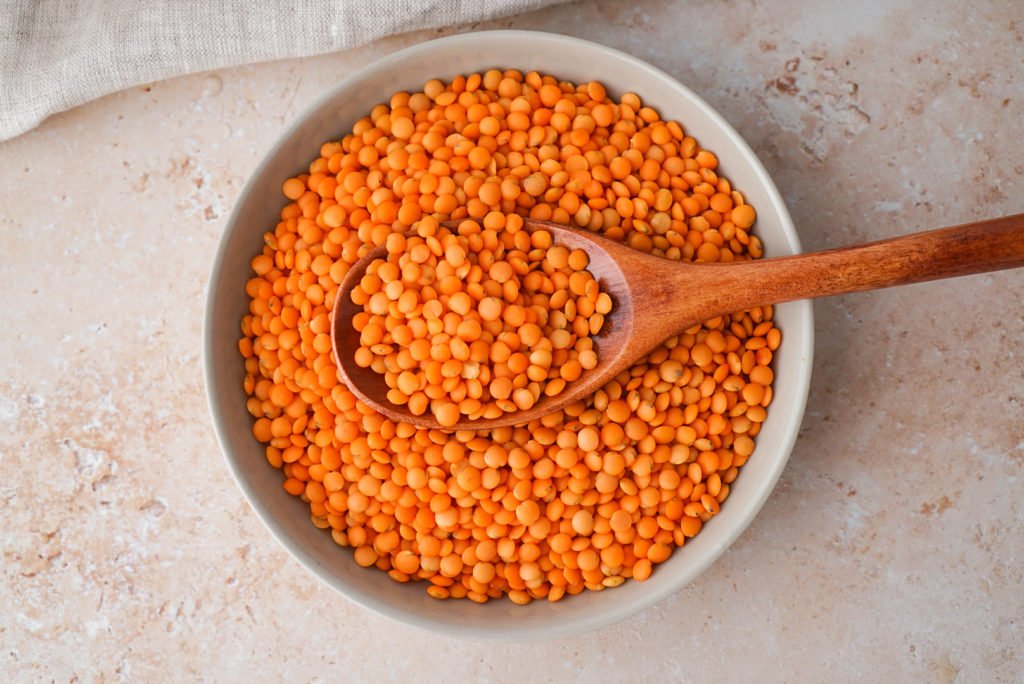
Lentils can come in red, green, black, and brown. The small, lens shaped, legumes are a fantastic supplement for vegetarians in their diet with their protein content of 18 grams per cooked cup (198 g). Lentils are very low in fat, and rich in protein, fibre and vitamins and minerals. And just some of the diverse health benefits foods high in fiber have been associated with include better heart health, cholesterol reduction, a healthy gut and better blood sugar control.
3. Hemp seeds
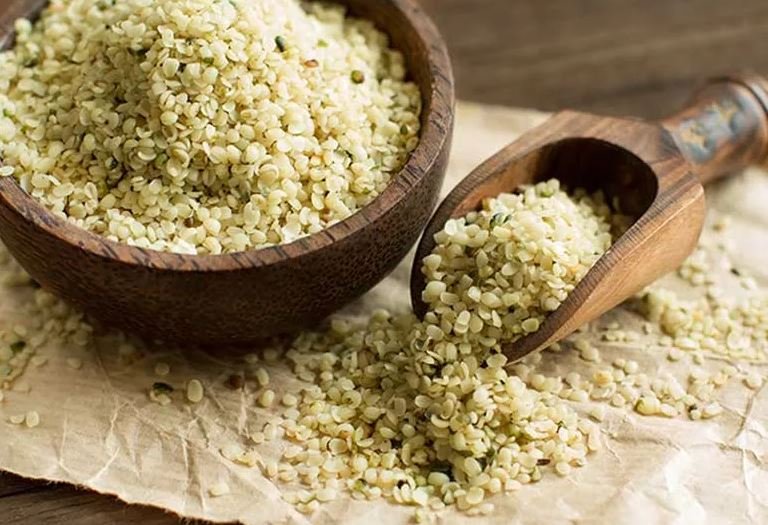
Hemp seeds are a nutrient superfood, rich in quality protein and nutrients. They are a complete protein food as they contain all 9 of the essential amino acids, this is especially important for vegetarian and vegan diets. Hemp seeds provide an estimated 25% of calories from protein and, weight for weight, contain amount of protein similar to that of beef or lamb. Hemp seeds are also protein rich, and have a protein form that is very digestible and easily absorbed and used by the body. They’re also high in healthy fats, fibre, vitamins and minerals and are a great supplement to a proper balanced and healthy diet.
4. Beans
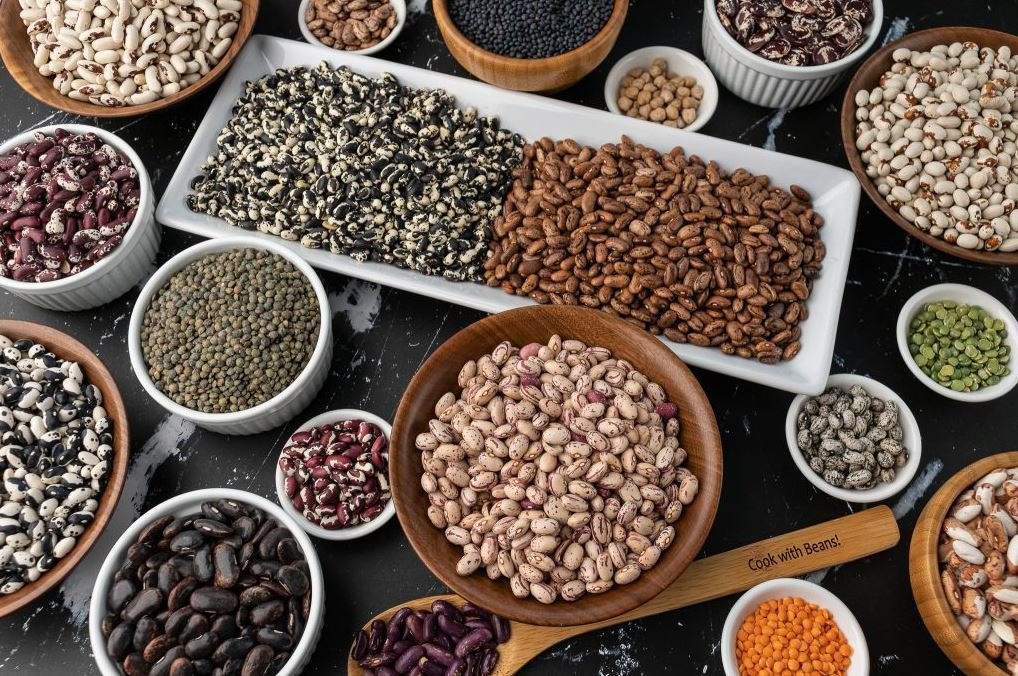
One of the healthiest and protein rich foods around the world is beans. All varieties of beans are protein rich and can be given to vegetarians and health conscious. The protein rich content of boiled beans varies according to the type of bean, with about 9g protein 100g-1. In addition to protein, beans also contain high levels of potassium, magnesium, iron and folate. They are also packed with dietary fibre, which not only helps to keep the heart healthy, but is also good for digestion. Moreover, beans also have naturally occurring compounds that benefit the health and body’s immune system.
5. Paneer (Cottage Cheese)
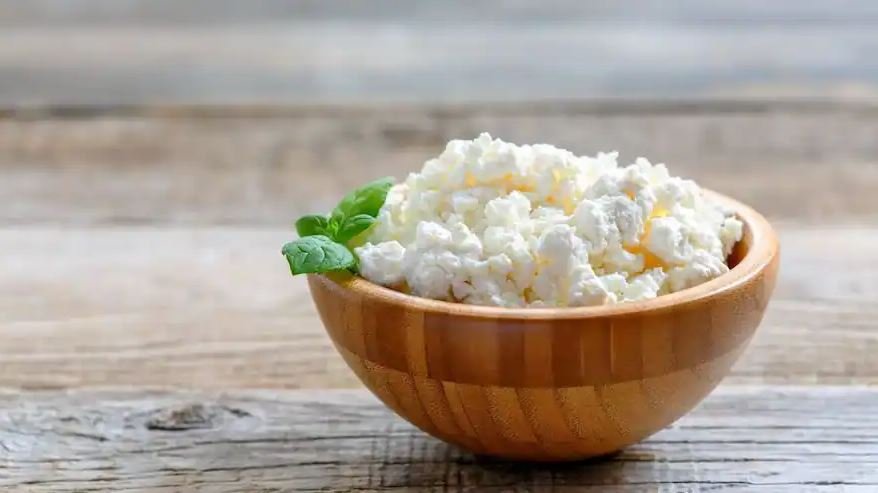
Paneer is one of the most preferred and nutritious milk products eaten in the Indian diet which is rich in protein rich content of about 18g of protein per 100g. Paneer is high in calcium, good fats and other nutrients which help enhance the growth of muscles, strength of your bones and overall health.
It’s also extremely versatile for day-to-day meals, owing to its softness and mild taste. Paneer can be used in a variety of delicious curries, grilled tikka, salads, wraps, and sandwiches or made into a basic stir fry. It is particularly favored by people that are vegetarian and are seeking for the higher-protein rich food option. Stays full longer, can also be helpful with balanced diets, fitness and making healthy snacks at home.
6. Oats
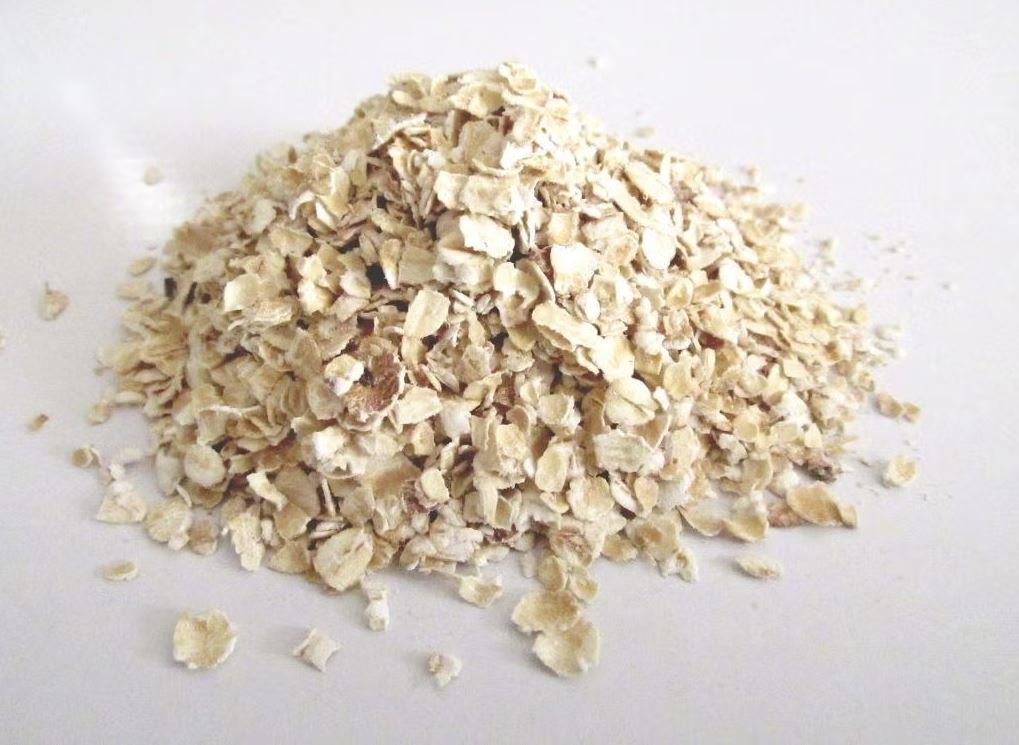
Oats are rich in protein and a good, nutritious food, which is a good choice for a healthy breakfast. They’re not only cheap, but are easy to make and can be sweet or savoury depending on the flavor. Oats are rich in fiber, vitamins and minerals which ensure you are full and alive for the day. They’re also great for quick and make a ahead lunch ideas, also making hectic mornings easier. They can be eaten in various forms, such as overnight oats with creaminess or smoothies, oat bowls, or even a healthy pancake. Create variety, flavor, and nutrition into your morning routine with these 5 Oats Based Healthy Breakfast Ideas!
7. Soy Milk
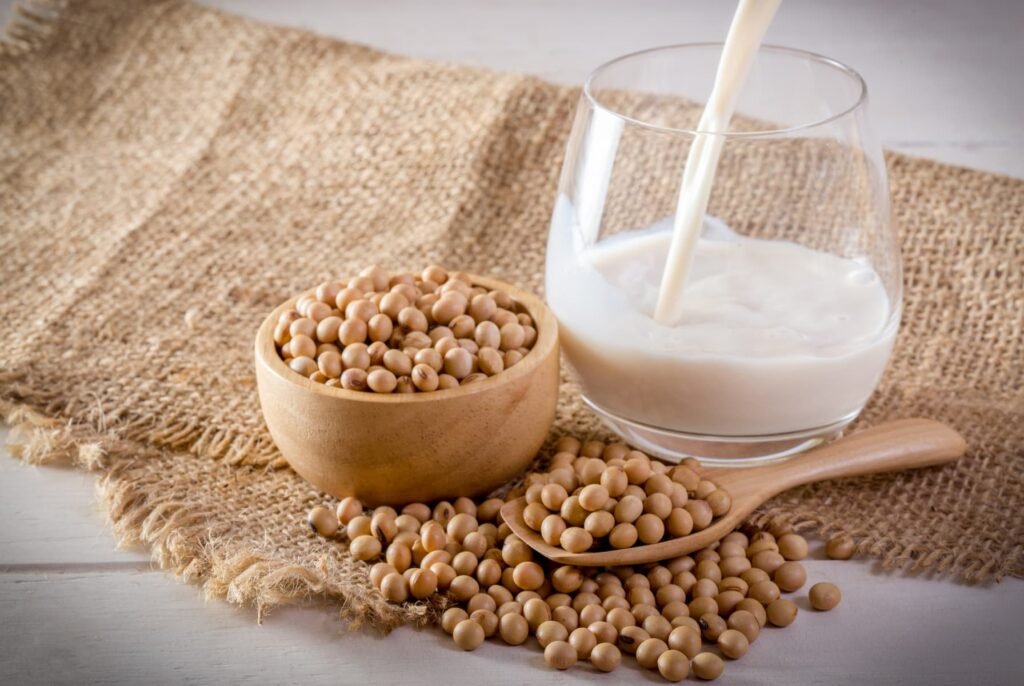
Soy milk is created using a beverage made out of legumes named like soybeans, a healthy and versatile milk appropriate to be used by a lactose-free and plant-based diet and a vegan. Soy milk is a great source of nutrients, and may be enriched with calcium, vitamin D and other minerals to aid the body’s bone health and general well-being. The amount of protein in soy milk is around 6 grams per 1 (about 244 grams of soy milk). Soy milk can be consumed in methods that can be a healthy and delicious way of getting protein rich that can be used in breakfast cereal, coffee or fresh juice.
8. Chia Seeds
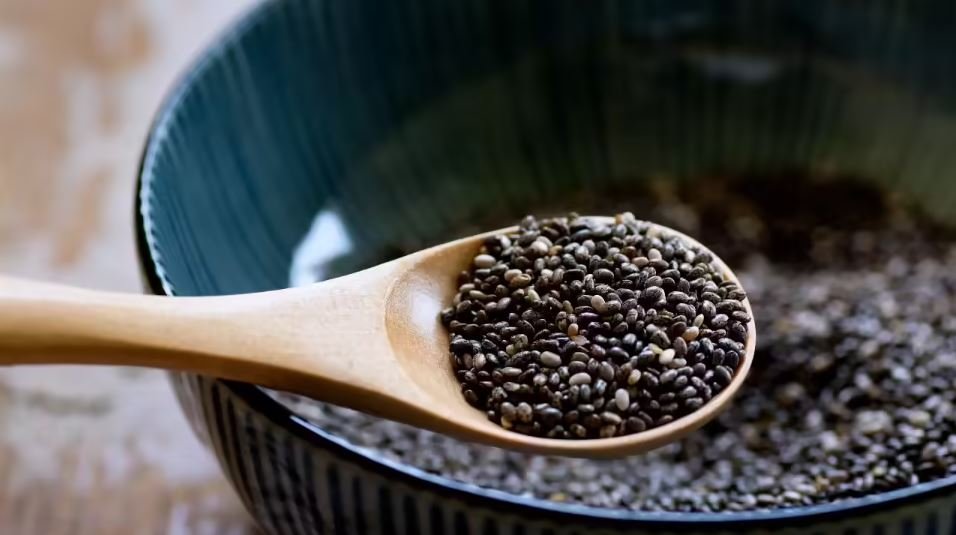
Lately, India has witnessed the wide popularization of chia seeds and their increasing application as a true Indian super food. The amount of protein in a 35 g portion of Chia seeds is 6 g, with a staggering 13 g of fibre. Moreover, they provide iron, magnesium, calcium and omega-3 fatty acids, a lot of antioxidants that can keep you fit, and much more.
Though easy to use, be certain to use organic chia seeds. Also, don’t be misled by the similarity with basil seeds as they are very different. Just a dunk into the water and a serving with your favourite beverage and all your body is asking for it’s nutrition. Chia seeds are a great protein source for vegans.
9. Peanuts
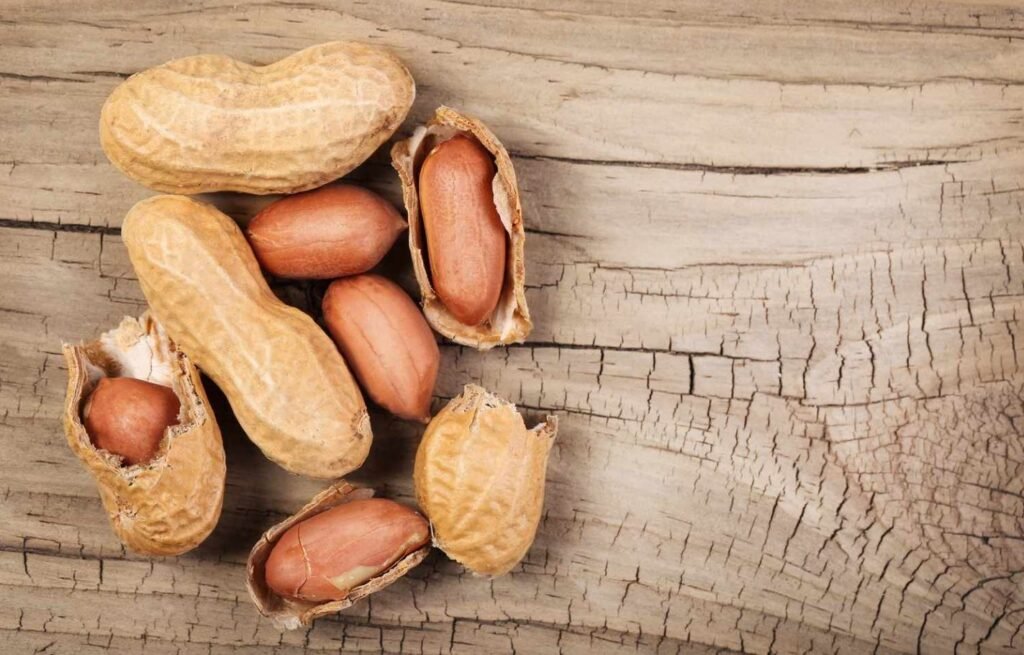
Peanuts are the best vegetarian sources of protein of all types of nuts, whether enjoyed raw or as butter. Nuts contain 19 grams of protein, fiber and monounsaturated and polyunsaturated fat in a half cup. It’s easy for vegetarians to load up on protein. Try legumes, leafy green vegetables, eggs and milk for a great boost, to keep you satiated and to energize muscles.
10. Tempeh
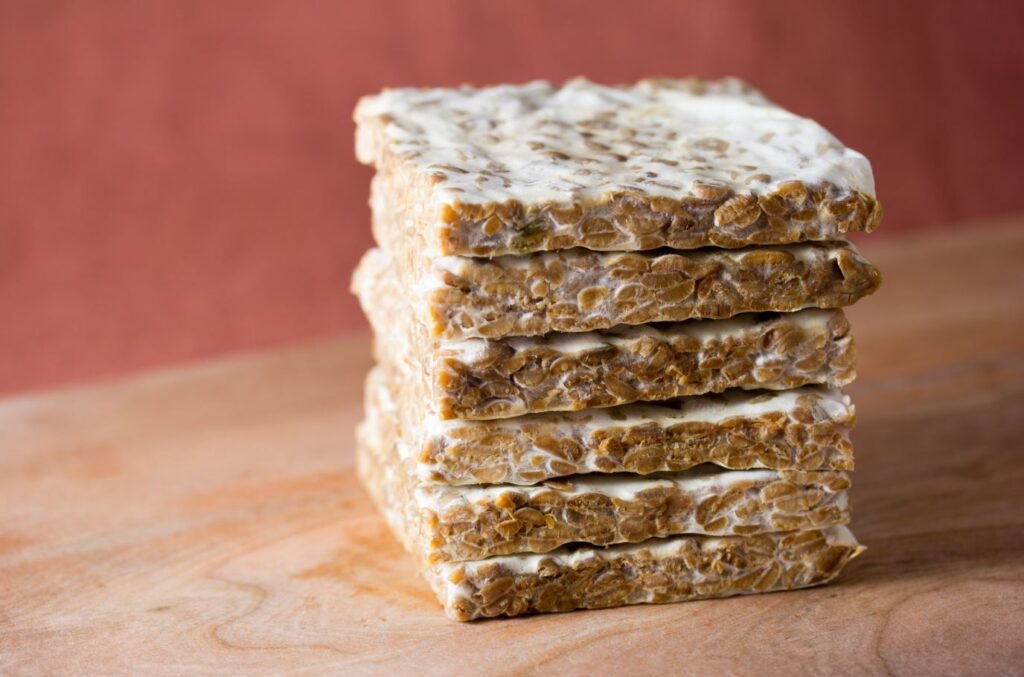
Fermented soybeans or tempeh is one of the most nutritious soy-based protein rich foods since it is easily digested compared other soy product. Full of nutrients, it contains about 19 grams of protein per 100 grams and is a great way to boost a vegetarian, vegan or anyone who wants more protein in their diet without eating it. Thanks to its slightly nutty flavor and bouncy consistency, it also suits a myriad of cooking techniques. The tempeh can be used for delicious Grilled, Sautéed, Baked or Stir Fried clays. Love trying different combinations of flavors; add spices and yogurt and serve as a delicious Indian inspired tempeh junk food.
11. Chickpeas
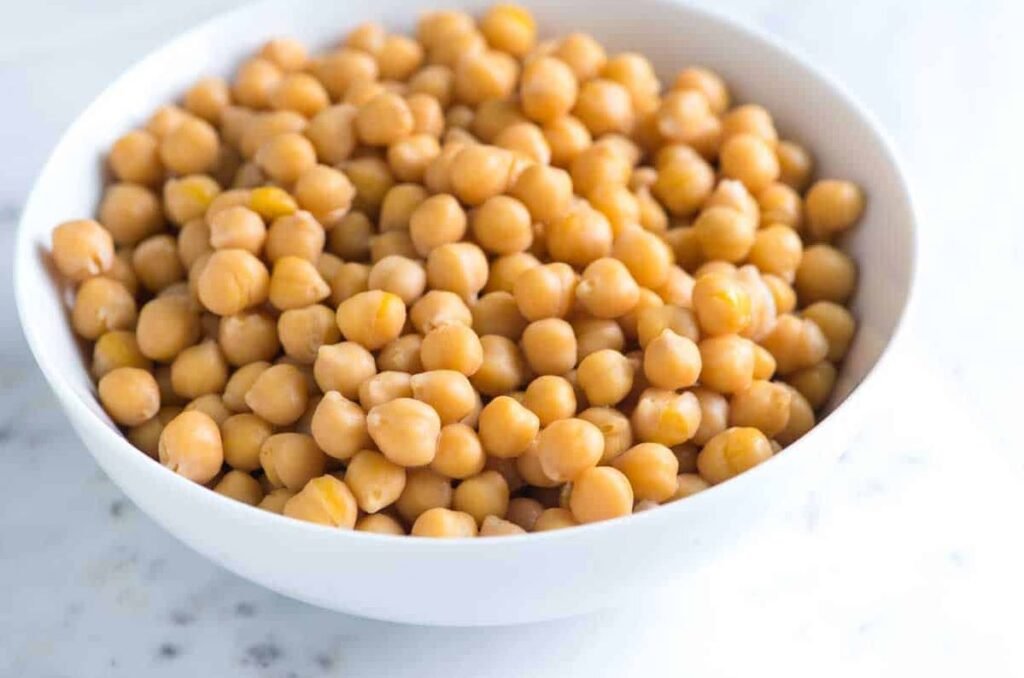
The chickpea is an extremely versatile and healthy legume to add to your plate. They contain a good amount of plant protein rich and necessary amino acids, perfect for vegetarians, vegans and the balanced dietists. Chickpeas are easy to add to dishes, and can be added to salads, curries and soups, or even made into snacks. They are also a popular ingredient in hummus—the flavorful and nutritious dip or spread to accompany vegetables, crackers and bread sandwiches. Chickpeas are rich in micronutrients – protein, carbohydrates and healthy fats, giving us a decent amount of energy (about 19g), protein (61g), and healthy fats (6g), in every 100g.
12. Greek Yogurt
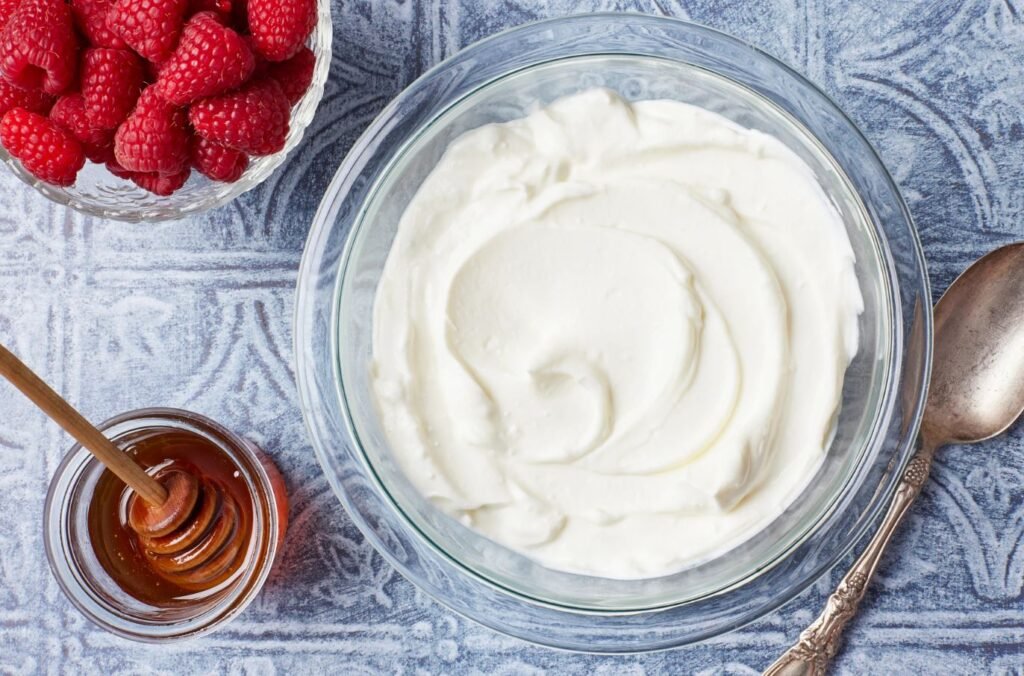
Greek Yogurt has lots of protein 10g per 100g which is ideal for snacking or adding as a protein booster to a meal. It is particularly favored by fitness enthusiasts for its capacity to assist muscle development, recuperation, and sustainability. Ghee Yogurt is also rich in beneficial bacteria or probiotics which have a beneficial influence on the gut and leave every human with a functional digestive system, hence a healthy immune system. Serve on its own or get a flavour boost and nutrient boost by adding fresh berries, nuts, seeds and drizzling with honey. Is creamy, filling and very versatile in use.
13. Khorasan wheat
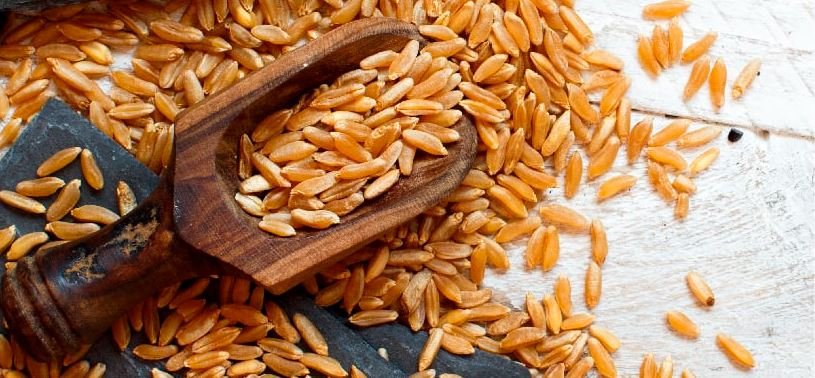
Oriental wheat or Kam,ut wheat, as it is sometimes called is a large, flavorful, and nutritious ancient grain. In many ways it is taster than that of modern wheat but can also be used as a substitute for other whole grains when preparing various salads, soups and side dishes and may require different cooking times.
Khorasan wheat is a low calorie food that is rich in fibre and protein rich and when cooked in one cup (172 g), will offer almost 10 g of protein and over 7 g of fibre. It also contains the essential nutrients including magnesium, phosphorus, zinc and B vitamins, and a lot more all of which can be necessary to help maintain your overall health and energy naturally.
14. Brown rice (boiled)
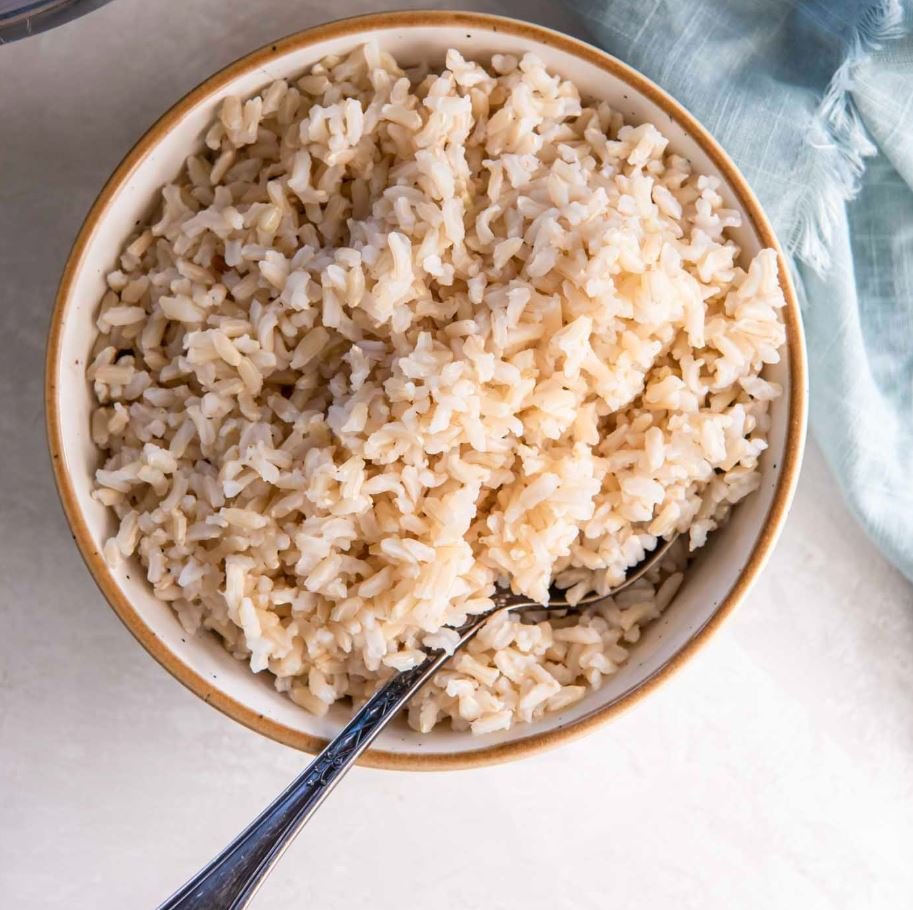
Brown and wild rice are a healthy grain that offers more than just carbs. They also contain plant protein, and are abundant in dietary fibre, a gut-friendly fibre which can help to keep the body full. Other kinds of rice are healthier alternatives to white rice and are more nutritious. Also threonine or lysine are amino acids which are not present in the diet because we are deficient in brown rice. Combine brown rice with other ingredients, such as peas, soy, peanuts, hemp seeds to make it a more complete protein rich. This blend can help improve nutritional density and enhance healthy eating habits.
15. Millet
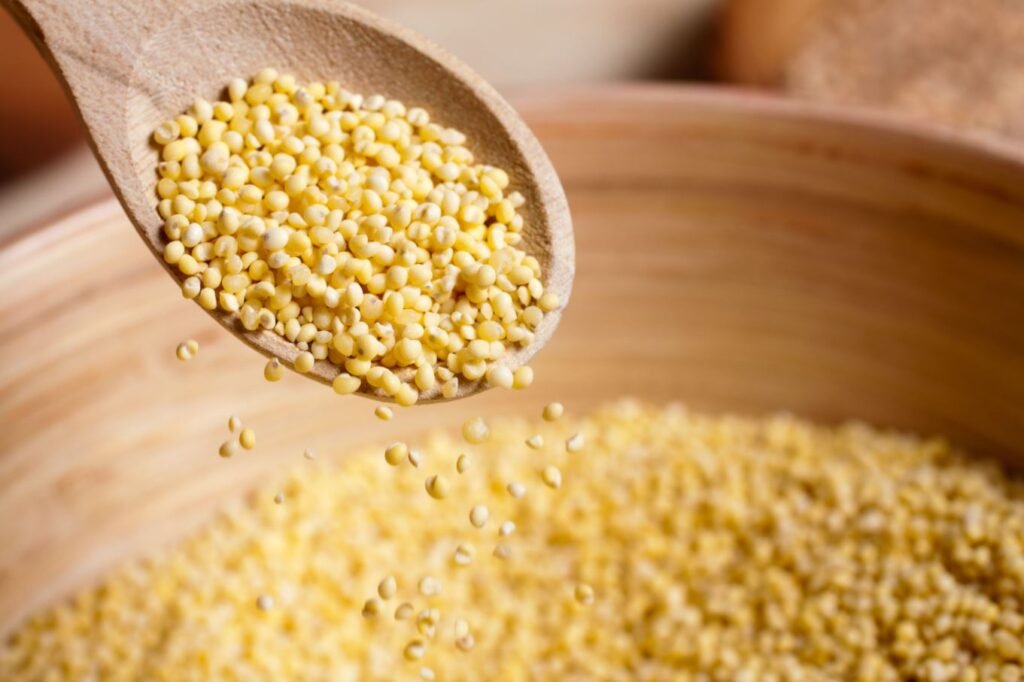
A lot many varieties of millet are available in India. The Old Famine grain has taken a turn and is being given a second look. Millets can be utilized in a lot more dishes than just a rice alternative. Just prepare a variety of dishes from millets such as salads, idli/dosa batter, poha/upma / sabudana khichdi- and they come out beautifully. Use different varieties by rotation so that you don’t get bored of eating the same millet regularly. Millet can also be used for making desserts such as malpua, kheer, halwa etc.
16. Edamame
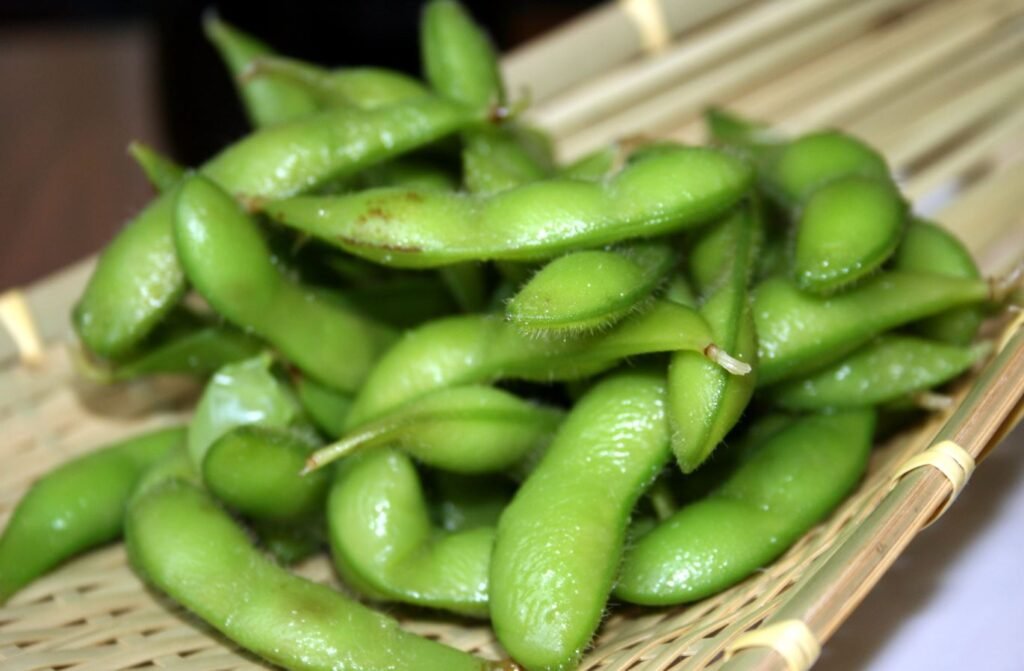
Young soybeans are a versatile food source of plant protein rich and are one of the best plant-based foods to add to your diet, or edamame. These healthy beans are a great option for vegetarians and fitness buffs as it contains approximately 10 to 12 grams of protein per 100g serving. Edamame contains a good amount of fibre, along with antioxidants, minerals and vitamins to contribute to general well being. They are light and slightly sweet flavored and can be used in a variety of dishes. They can be steamed and sprinkled with salt as a nutritious snack or thrown in rice bowls, salads, soups and stir-fry dishes to provide additional vitamins and minerals.
Read Next