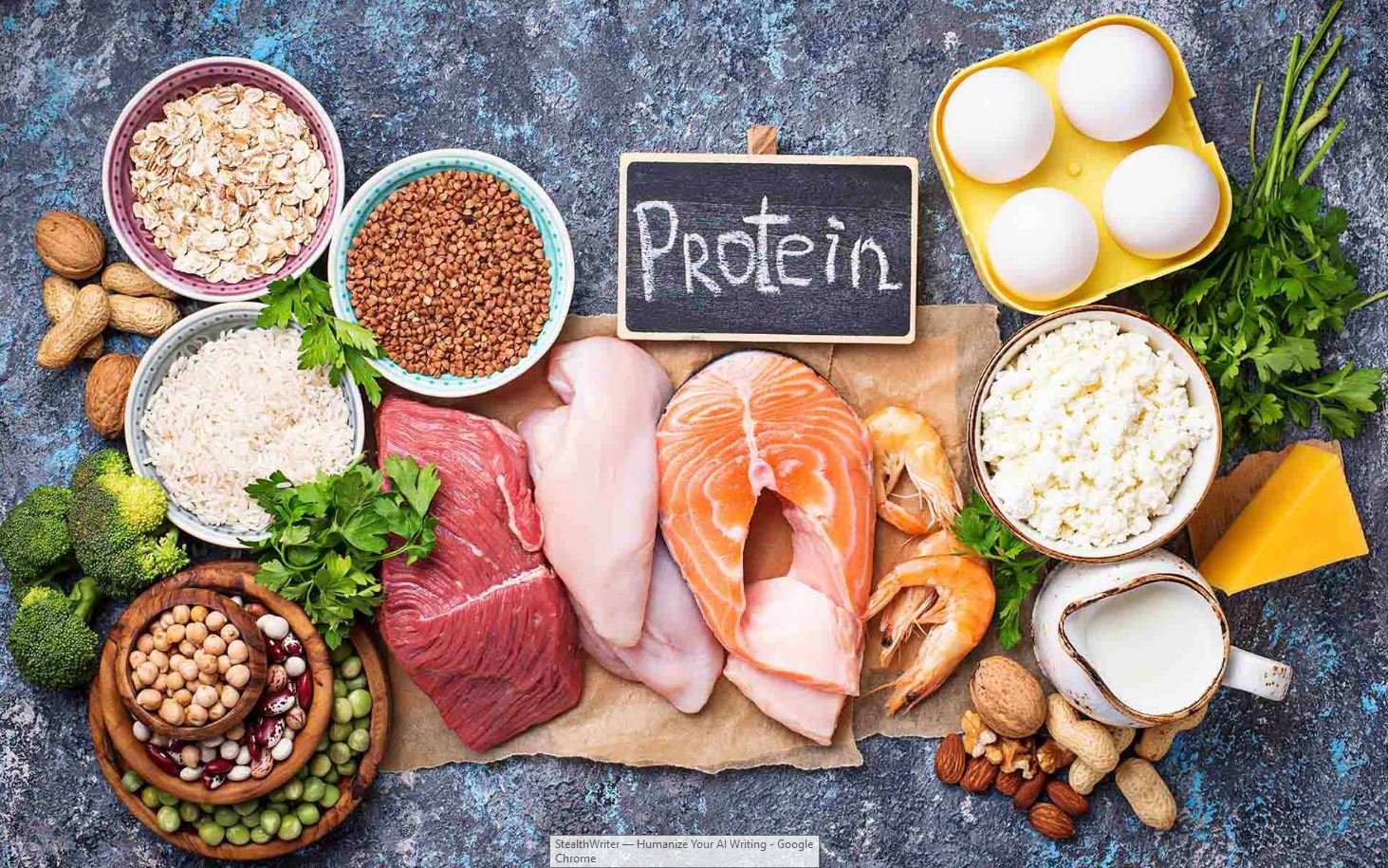
Protein is one of the essential nutrients needed in the body for growth and repair of body tissues and maintenance of normal body activities. It plays a crucial role in muscle development, helps to make the enzymes, enhances resistance, and ensures healthy skin and hair. Protein rich foods are used optimally in the diet, helping to maintain an all day energy level and vitality.
Protein adequate, planned vegetarian and non-vegetarian diets are possible. From the legumes, there are tons of options to make sure you are getting enough protein each day, through dairy, to eggs to lean meats. In this guide you will learn about some of the best complete protein sources, some of the benefits you gain from eating protein rich foods, and how to make eating protein-rich foods easy.
Table of Contents
Complete Protein Sources
1. Chicken breast
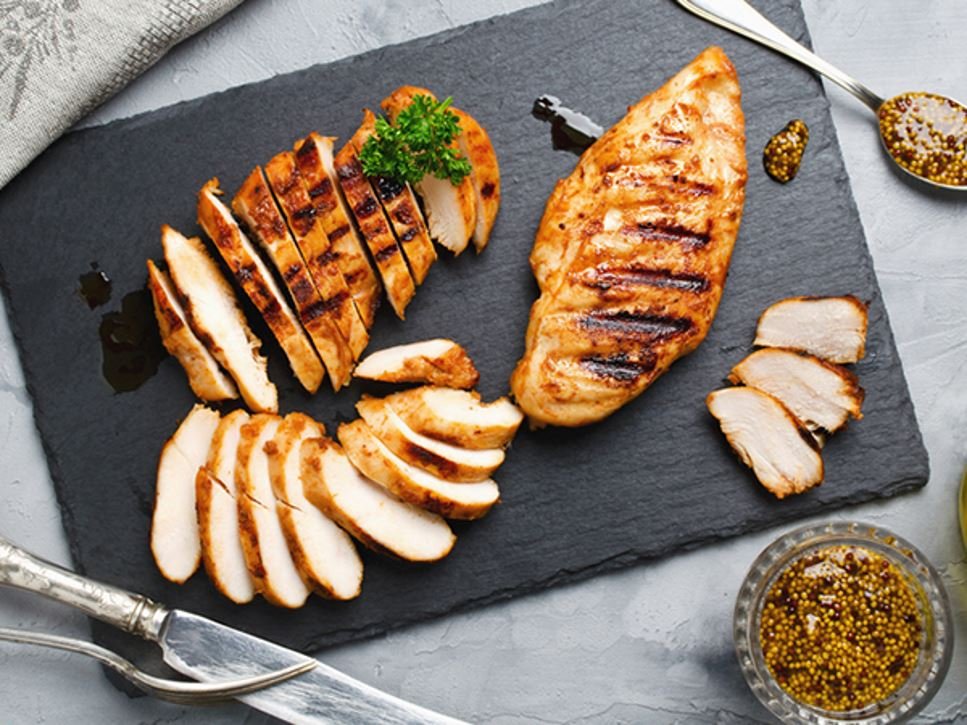
Among the bodybuilders and fitness freaks, the chicken breast is regarded as one of the most popular and used complete protein sources. Low energy density, high protein quality for improves muscle growth, recovery and strength. The cooked 100 grams of chicken breast has approximately 32.1 grams of protein in it, 3.2 grams of fat and nearly no carbohydrates, which makes this a great choice for a protein-rich and healthy food plan. Plus, it’s a versatile food – it’s one of the most popular foods because it can be utilized in such a variety of ways in cookery, salads, meals, even grilled, baked, roasted and still considered healthy and delicious.
2. Fish
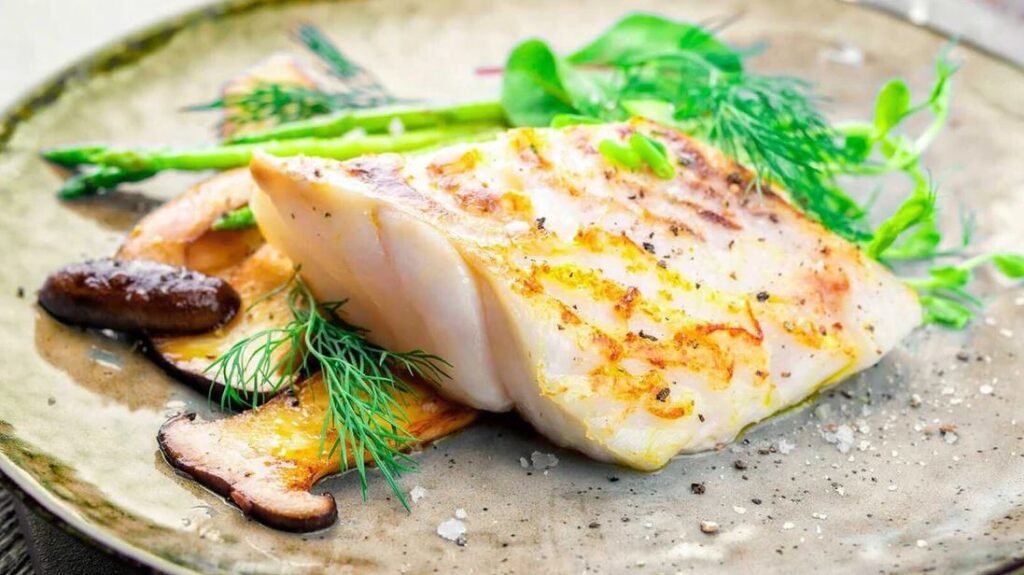
Salmon and tuna are examples of fatty fish that are made as a great complete protein sources for nutrition. They are good in quality protein content and have approximately 22g protein per 100g providing a good source of fish protein for muscle building and overall health. Regular use may be helpful in the inflammation profile for the heart, brain and body. They’re also packed with nutrients that promote skin health and a boost in energy. Fish can be cooked in various delicious ways such as grilling, steaming, baking or even served on sushi, on sandwiches, rice bowls, or fresh salads, making fish a valuable food source in a meal.
3. Salmon
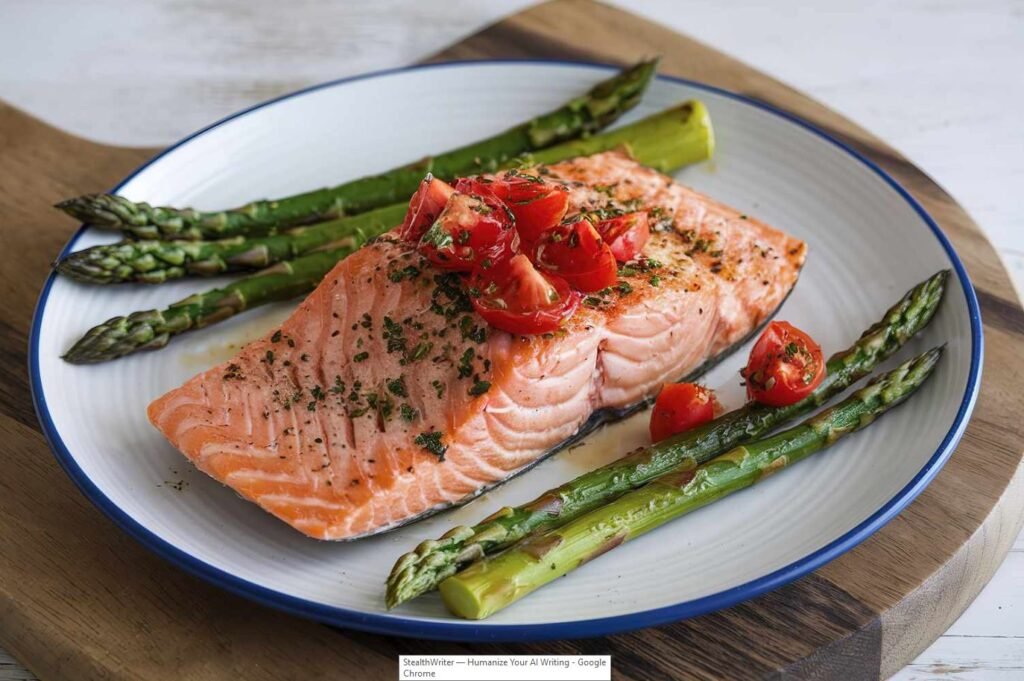
Salmon is a really healthy fat fish, that’s loaded with tons of health-promoting omega-3 fatty acids, the healthiest fat type that nourishes your heart, fuels your brain and promotes wellness. It will also make you feel satiated or full following meals, and be a rich source of quality protein to repair & develop muscles. The protein level of a balanced diet can be attained by taking salmon fillet 100 g of salmon fillet has about 22.1 g of protein. Salmon is a good source of selenium, B vitamins, vitamin D and healthy fats, and has a large protein content – essential nutrients for a healthy mind and body.
4. Hemp seeds
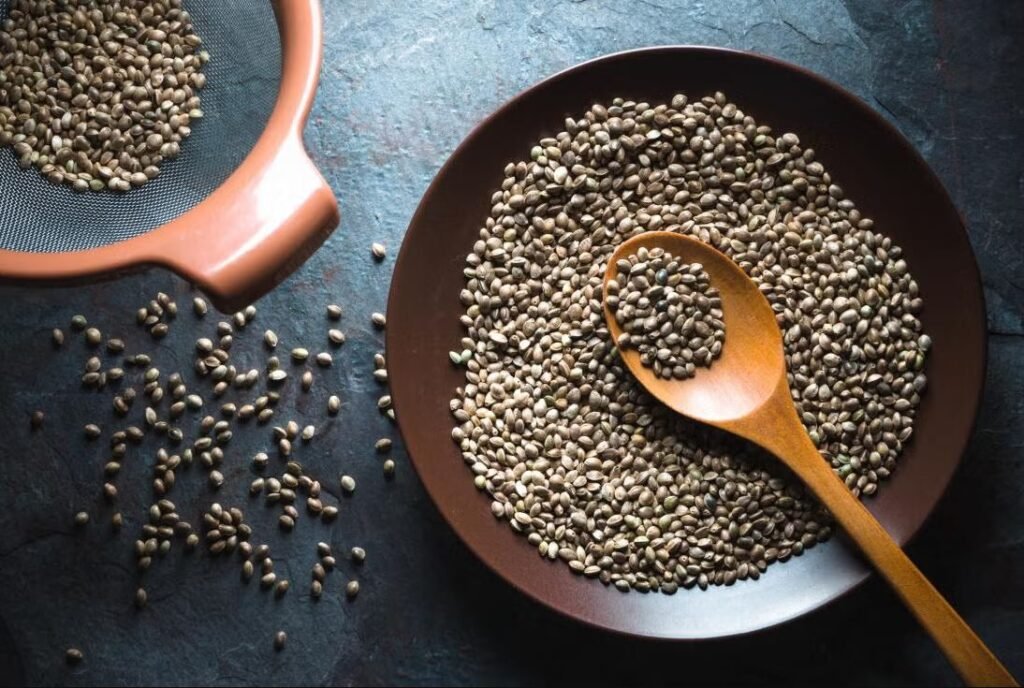
Hemp seeds provide all the necessary nutrients, which reduces the consumption of other nutrients. By comparison, at the same calorie count, hemp seeds have amounts of protein comparable to the amount in beef and lamb and around 25% of the calories from the protein is of good quality. The primary benefits of this would be that the protein provided with their hemp seeds is quite easily digestible and which is the quickest rate the body would digest the material and absorb the nutrients. Hemp seeds are rich in protein and high in healthy fats, fibers, vitamins and minerals as well with all the benefits of a healthy diet.
5. Full-fat Greek Yogurt
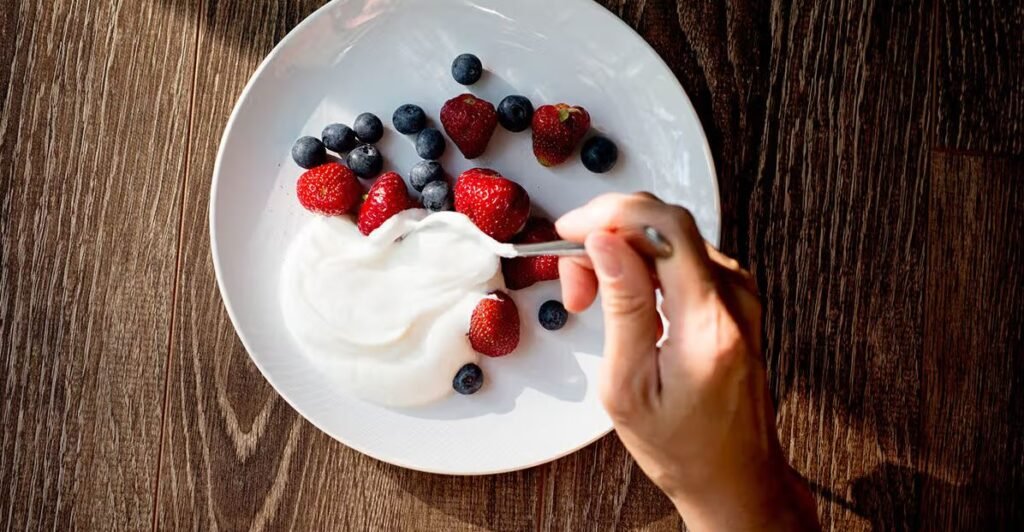
Greek yogurt is a healthy, dairy food that is packed with protein and is high in both probiotics and vitamins like vitamin B12, calcium and selenium. Popular addition to a healthy diet to use for digestion, bone health and overall well-being. However, these may differ amongst brands, so choose those which contain minimal additives, and no added sugars. In the case of fresh fruits, they can be consumed as sweeteners, as well as for other benefits. In addition to Greek yogurt, salmon is also a great food that’s high in protein. Salmon fillet is a protein rich food, as it contains about 22.1g of protein per 100g making the body’s muscles stronger and maintains strength.
6. Tofu
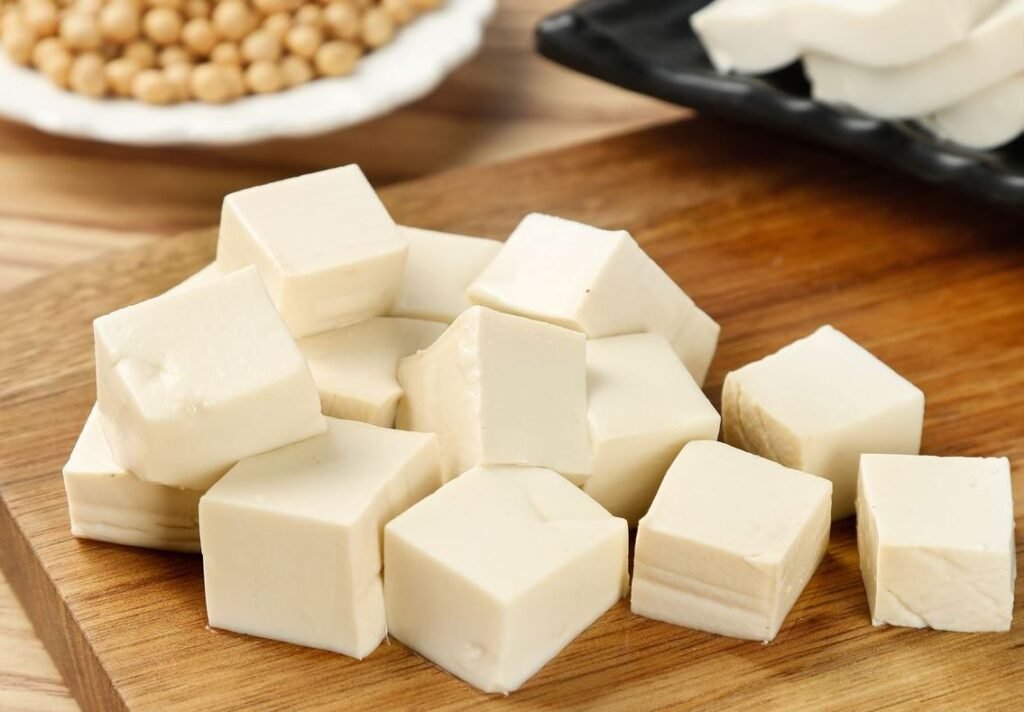
The soybeans are widely used in the production of marketable soy products like tofu (soy milk is boiled, the curd is separated from the milk and the curds are pressed into solid blocks). They vary in density and firmness from a soft to a silken tofu to an extra firm tofu. Tofu is also celebrated for its versatility of flavor, absorbing the taste of other food and spices it comes into contact with, it is ideal for culinary purposes. This versatile vegetable can be used in many dishes like salad, stew, soups, stirfry, curry & many more. Tofu is high in protein and nutrition and may be consumed by vegetarians and is a wonderful complement to a vegetarian diet.
7. Quinoa
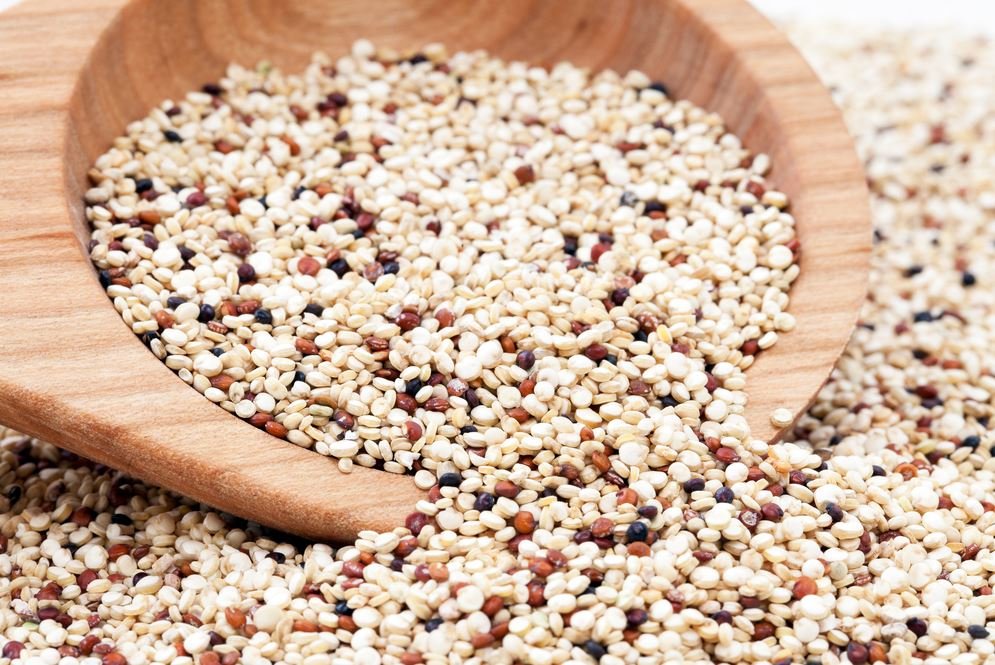
Quinoa is a nutritious type of grain (and considered being a “whole-food protein” due to its combination of all nine essential amino acids in its makeup that are necessary for the body to build protein). This primitive grain is soft doughy and has a rather mild, nutty taste, making it the perfect grain for a variety of nutritious meals. Quinoa is a pseudocereal (or pseudo-grain), it also has no gluten. Lovin’ for gluten-free and anyone looking for a well-rounded diet. Pre-cooked quinoa contains approximately 8 g of protein per cup (185 g) and is high in fiber, vitamin B1, vitamin B2, vitamin B6, vitamin B9, zinc and minerals.
8. Chickpeas (Chana)
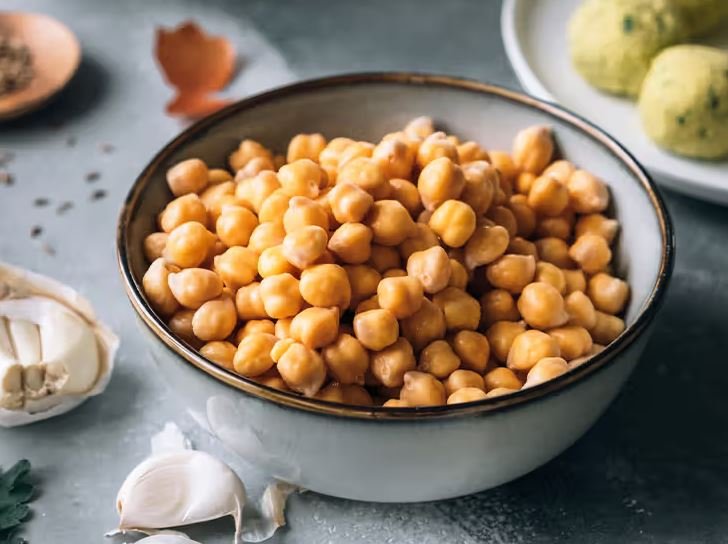
Black Chana or Chander Rakki and Kabuli Chana are nutrition power houses are very small in size and loaded with nutrition and protein. Almost 15 grams of protein rich chickpeas are available in each crispy cup, making it ideal for vegetarians or anyone wishing to eat a nutritious diet. These are just some of the exciting things you can do with these flavorful legumes – for instance, you can use them for a delicious curry, make a creamy hummus or toss them into a salad – or you can roast them for a crunchy snack of chana! Chickpeas are packed with fiber, vitamins and minerals, and promote digestion and satiety, making them a healthy food option.
10. Paneer
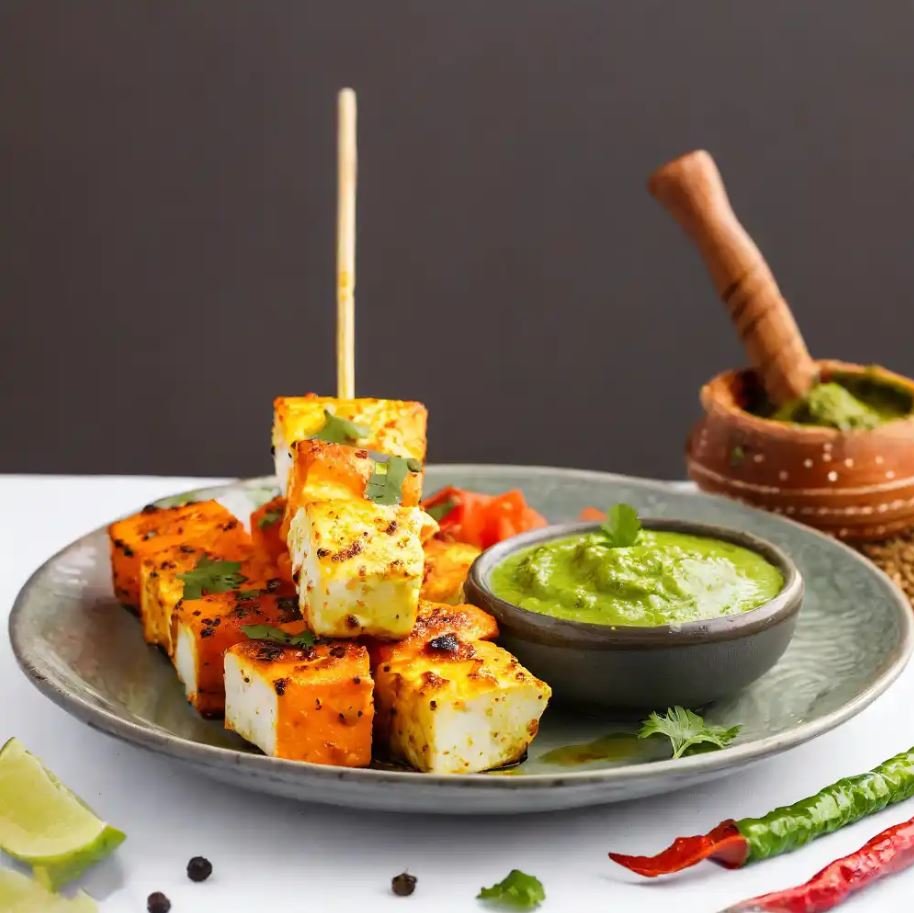
A vegetarian would hardly find a better way of getting protein than paneer, which has in between 18 – 25 grams of protein per 100g. It has been found to be rich in milk-derived protein, casein, it is popular for its low calories, long lasting release of amino acids to the body and is a preferred choice not only for supplying nutrients, but also for muscle repair and recovery. Being a vegetarian, paneer is especially beneficial in building strength, gaining lean mass and being active throughout the day. It’s also rich in calcium and in good fats and makes a great healthy meal side dish. Can be cooked various ways, such as curry or salad, grilled, or a snack.
11. Beef
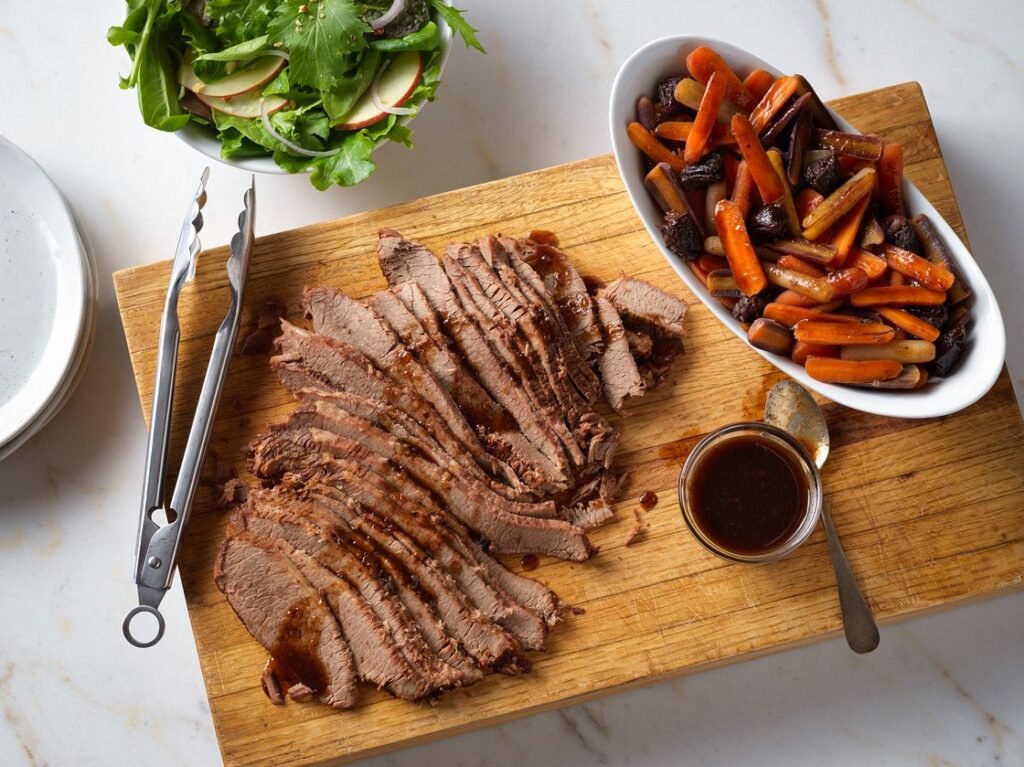
One of the most well-rounded and complete protein sources, beef is an excellent choice for anyone looking to add it to an healthy diet. Meanwhile, clean cut beef offers 27.8 grams of high-quality protein per 100 grams to help the body build muscles, maintain its tissues and strengthen its body. It also has almost no carbohydrates in it, and can be included in a low fat meal plan, it has near zero carbohydrates itself, and provides approximately 8.3g of fat in one serving.
Eating beef is healthier than other kinds of meat because it is lower in fat, one of the healthiest sources of protein and beef is also a rich source of minerals including iron and zinc. Iron helps to carry oxygen around the body, while zinc helps boost immunity, speed up healing and transport oxygen around the body.
12. Chia Seeds
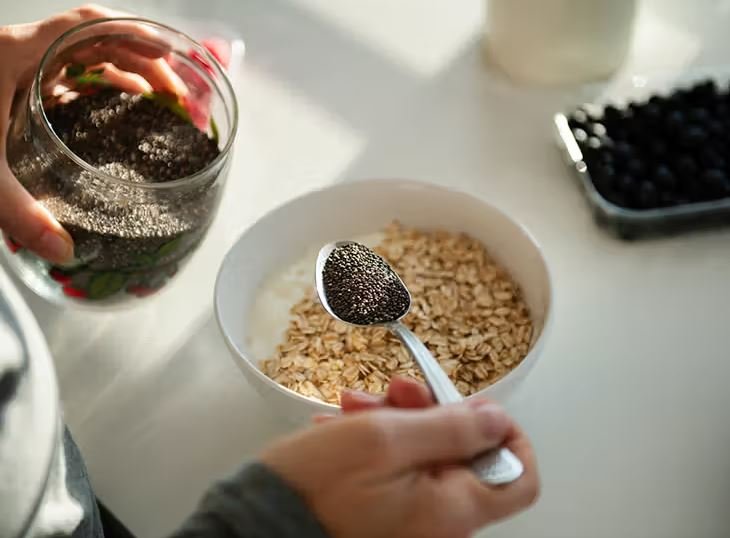
Superfood Chia Seeds are packed with nutrients and they can add to your health for all the right reasons and are plant proteins. An ounce contains approximately 4.7 grams of protein and loads of fibre, calcium, antioxidants and O3 fats to take care of overall wellness. Chia seeds are almost a complete protein, and don’t have as much lysine, but are still a great source for vegetarians and vegans. They are versatile, and can be added to everyday meals. Chia seeds can be mixed over night and used to create an ideal chia pudding, smoothies, and, even for a healthy egg alternative in baked goods.
13. Nuts and Seeds
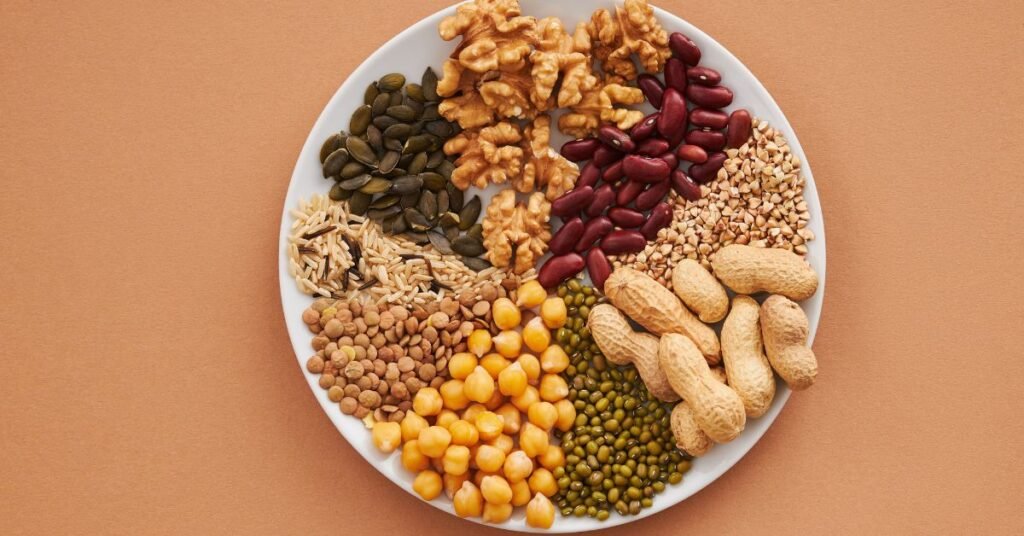
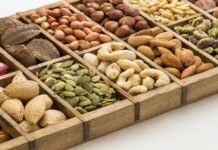
Nuts and seeds are nutritional powerhouses and healthy snacks, ticking off a whole host of nutrients, including vitamins, minerals, protein and healthy fats all of which have a big part to play in their role in overall health and well being. There are healthy and fulfilling snacks to eat every day, including nuts, like almonds, cashews, pistachios, peanuts, flaxseeds and pumpkin seeds.
These are also great as a satiety factor or extended satiety, and have positive effects on heart and brain. Another delicious side dish – chana spiced roasted on the other hand is a source of plant protein and fibre for crunchy nutrition. The 23 almonds per handful makes for an excellent and healthy snack for every day of the year, and provides almost 6 grams of protein.
14. Cottage Cheese
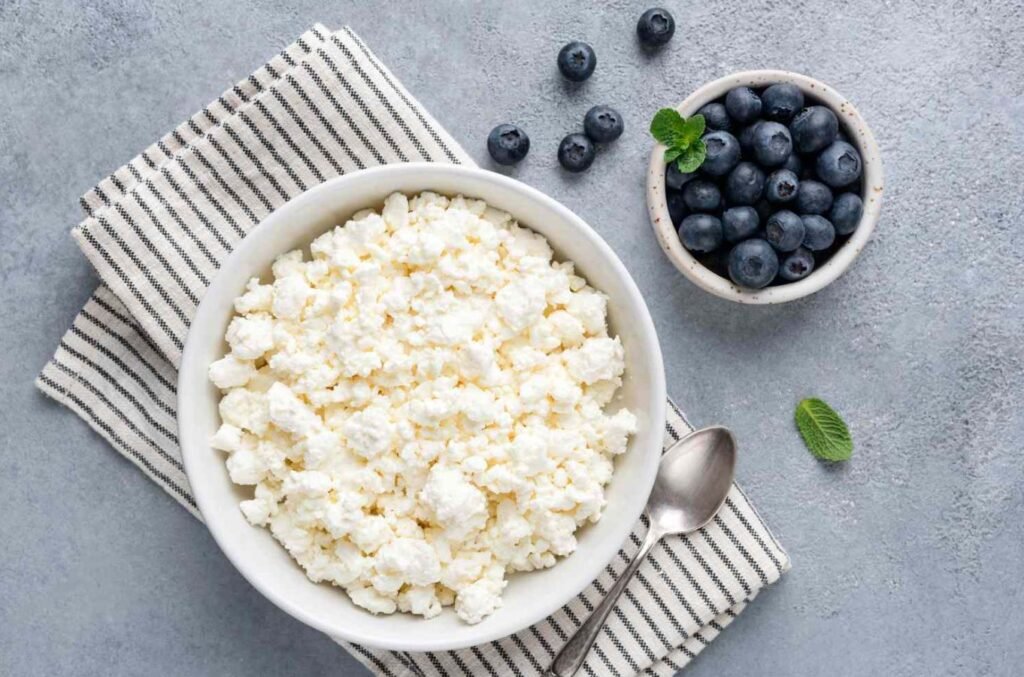
Cottage cheese is a healthful low-fat, high protein dairy that helps to complement a healthy diet. It is high in protein, which is closer to be around 11 grams per 100 grams, hence helping to meet muscle requirements, prolonging satiety and providing help to maintain sustainability in nutrition and weight management. It’s also high in calcium and other nutrients that promote healthy bones and health. Cottage Cheese is extremely versatile and can be used in a variety of ways. Fresh fruits make a light snack with it, salads a great addition, or it can be used to make a creamy spread on whole-grain toast to make a healthy snack.
15. Lentils
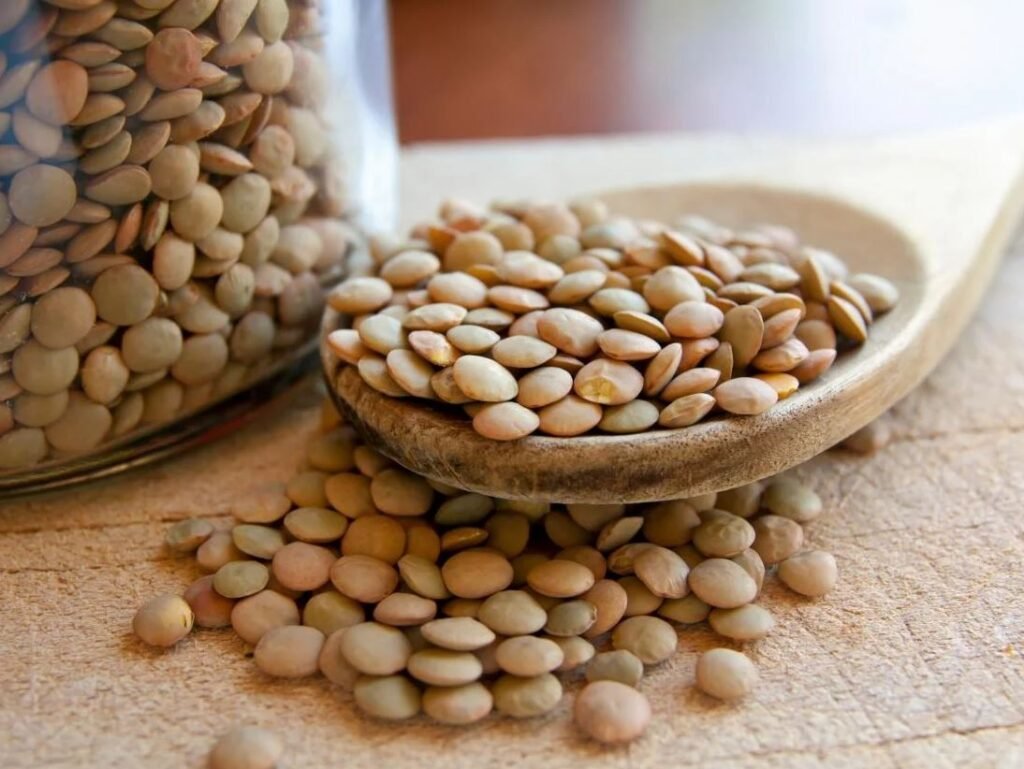
Lentils are a food powerhouse, with complete protein sources and rich in fibre and minerals, which promote general health and digestion. They contain good amounts of soluble and insoluble fibre, which stabilises digestive systems and will also help you to feel full for longer. Lentils are plant proteins and lack amino acids that are typically present in grains, e.g., some lack the amino acids methionine and cysteine. Lentils are most often eaten with rice or roti as it is a complete food. Protein content per 100 gram contains Masur (25.1g), Moong (24.5g), Urad (24g), Rajma (22.9g) in addition to Bengal gram (17.1g) and roasted Channa (14g).
16. Peanuts
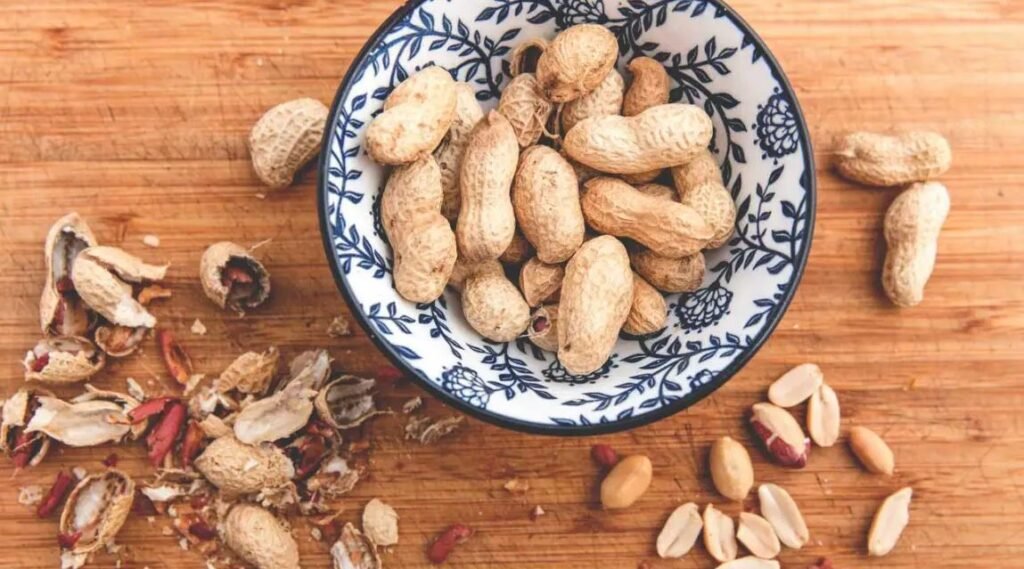
Peanuts also provide a high protein content of plant origins, but, like other legumes, are low in some essential amino acids, such as lysine and methionine. As a part of a balanced plant-based diet however, they can make useful contribution, with good digestibility of their protein (how easily they are digested and absorbed by us) than animals. Nut butters, like peanut butter, are convenient foods that are rich in protein but are there any added oils, salt and sugars in the butter? Check the label. There are about 3g of protein in one tablespoon (140g) of peanut butter.
17. Turkey Breast
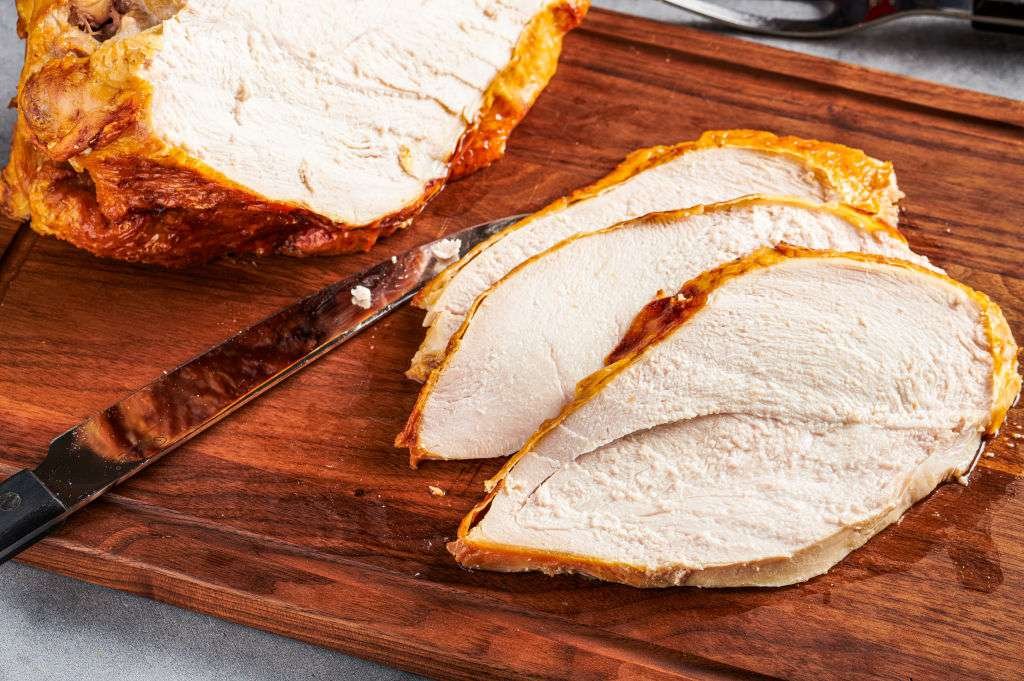
Turkey is a source of all the necessary amino acids to construct, repair and develop muscle tissue. It is also high in several important minerals like selenium, phosphorus, B vitamins, and more, which all play a role in energy production, immune health and bone health. Lean turkey is a mixture of health and a protein option to consider for folks seeking to steer a healthy life without the high fat content of red meat. However, if the turkey is purchased, it’s best to buy a fresh minimally processed turkey whenever possible. Many turkey products produced contain additives, preservatives, and excessive salt (sodium) which some of which are harmful.
18. Kidney Beans (Rajma)
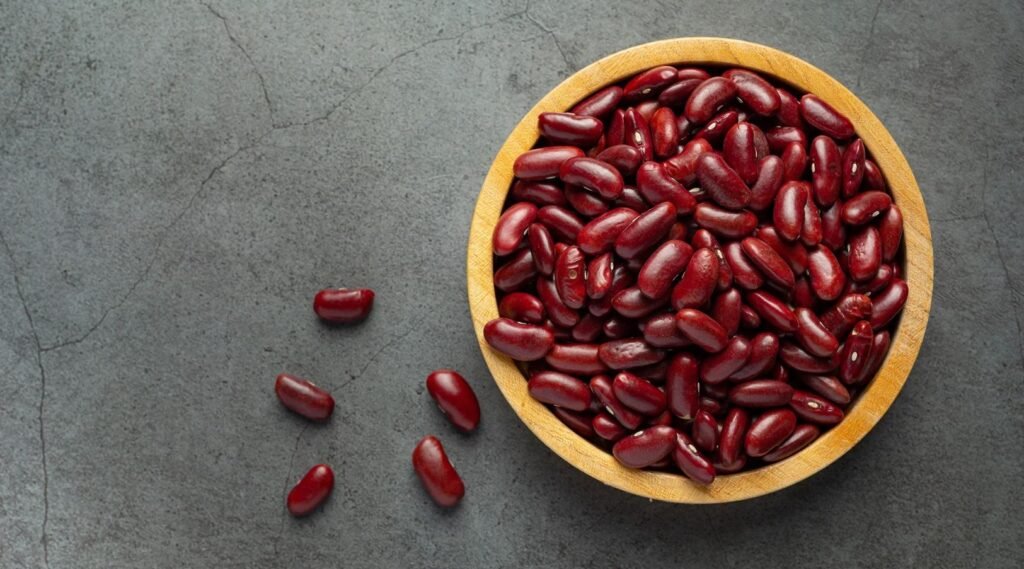
Not only is it a delicious and soothing meal for postal workers outside and throughout the country, but it is also a nutritious meal combination with protein! Rajma is packed with protein and contains about 15g in a mere cup for vegetarians. However, alone rajma does not have all the amino acids that are essential to the body.
That’s where rice can be of significance. These are highly nutritious food items and are paired with rice as it is considered to be a complete food providing all the essential components and are called as ‘Rajma’. A good combination for flavour, as well as for maintaining the health of muscles, increasing energy, and providing balanced nutrition at meals.
Read Next