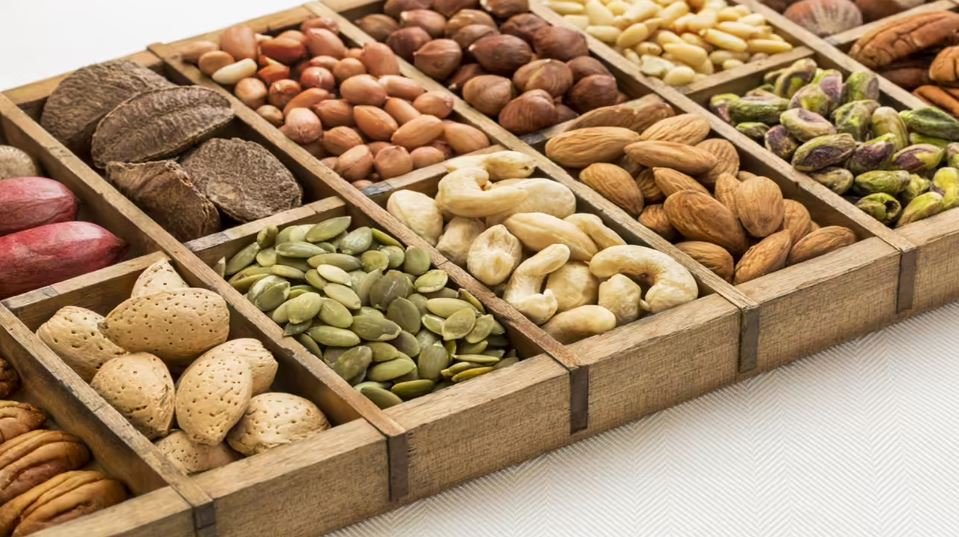
Looking for a simple way to increase your protein intake? Nuts and seeds are versatile foods, and for those seeking a healthy diet, they are great for snacking and are high in plant protein, too. In no particular order, these are some of the high protein foods. Nuts offer a good source of protein, and can be used to boost the protein content of a meal, whether you’re aiming for more protein in your diet or more plant-based protein. Visit this list of high protein nuts and seeds to find out what your options are when adding nuts to your diet today.
Table of Contents
High Protein Nuts and Seeds
1. Peanuts
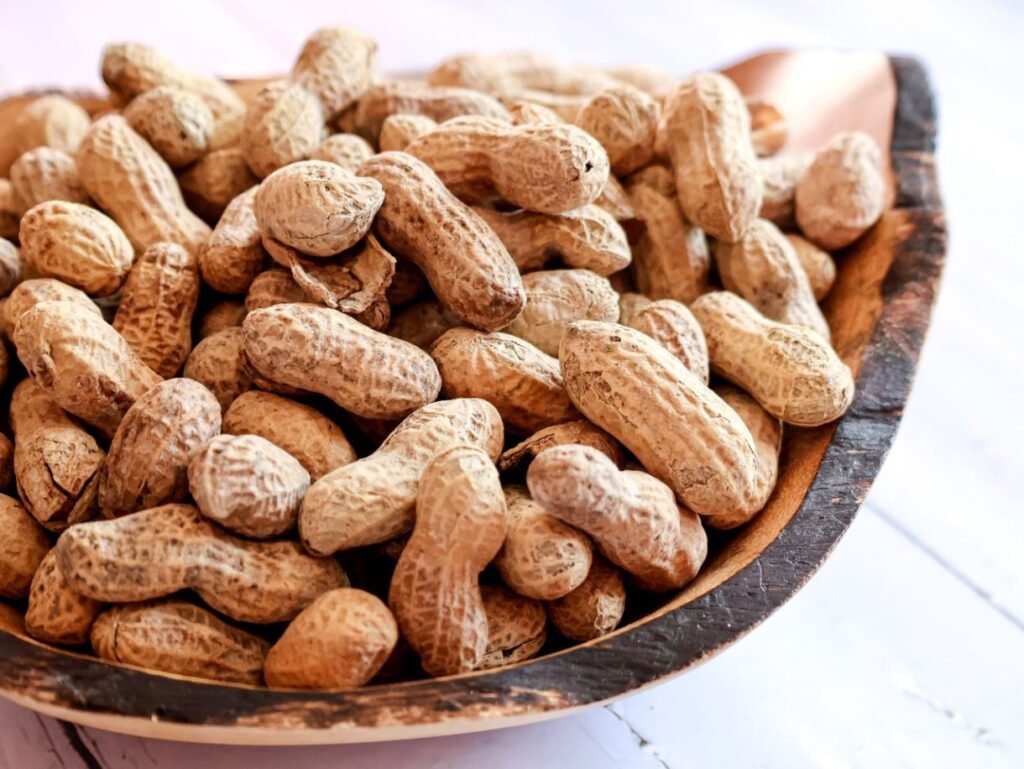
No other food has a higher protein content per serving than peanuts. Although from a nutritional point of view, peanuts are a nut, they are a member of the legume family. This is because they are related to lentils, chickpeas and beans, which are also excellent heart-healthy energy foods that are rich in protein. There are also plenty of vitamins and minerals in peanuts, such as biotin, which is useful for converting the food that your body consumes to energy, another advantage for strength trainers. As with other nuts, their delicious nutty and earthy flavour can be enjoyed raw as a snack or may be added to many dishes.
2. Pine nuts
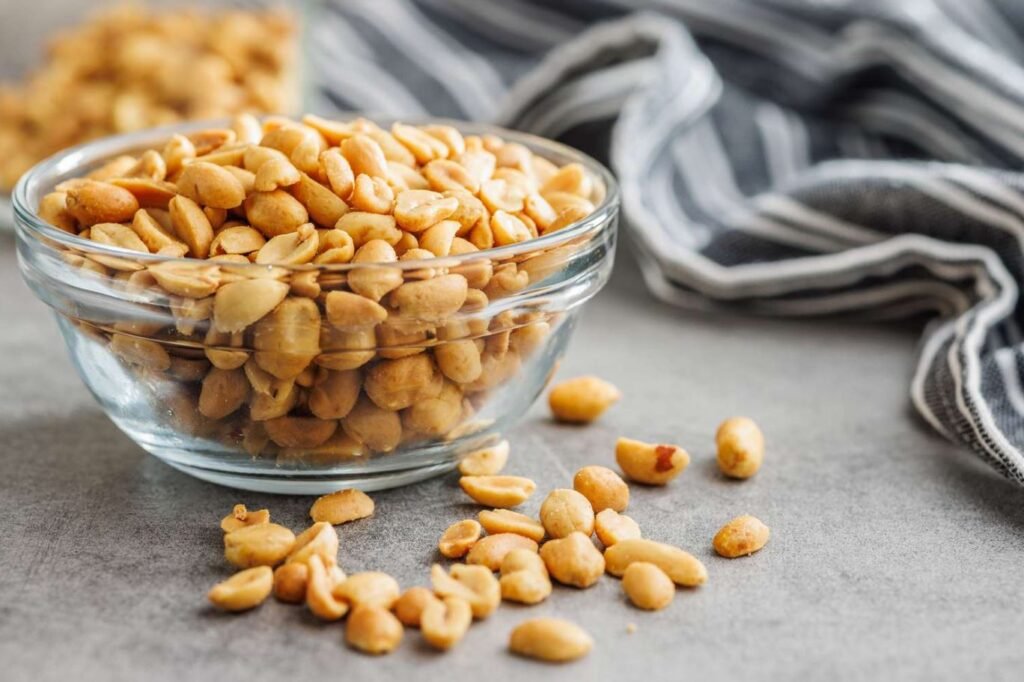
Edible pine nuts, aka pine nuts, are a nutritional powerhouse that can be part of a balanced diet. These are a great plant-based protein that contains about 18g of protein and 12g of net carbohydrates, in addition to 92g of unsaturated fat for each cup. The pine nuts are abundant in B-complex vitamins like B1, B6 and B12, vitamin E and vitamin K, as well as other essential vitamins and minerals like choline, manganese and zinc, which are important for the health and vitality of people.
Very characterful in terms of taste as they are lip-smacking sweet with a butter taste and very helpful in the kitchen! Pine nuts can be used in salads, may be pureed into a homemade pesto and can be sprinkled over pasta, rice, baked or casserole dishes for texture and nutrition.
3. Pumpkin Seeds
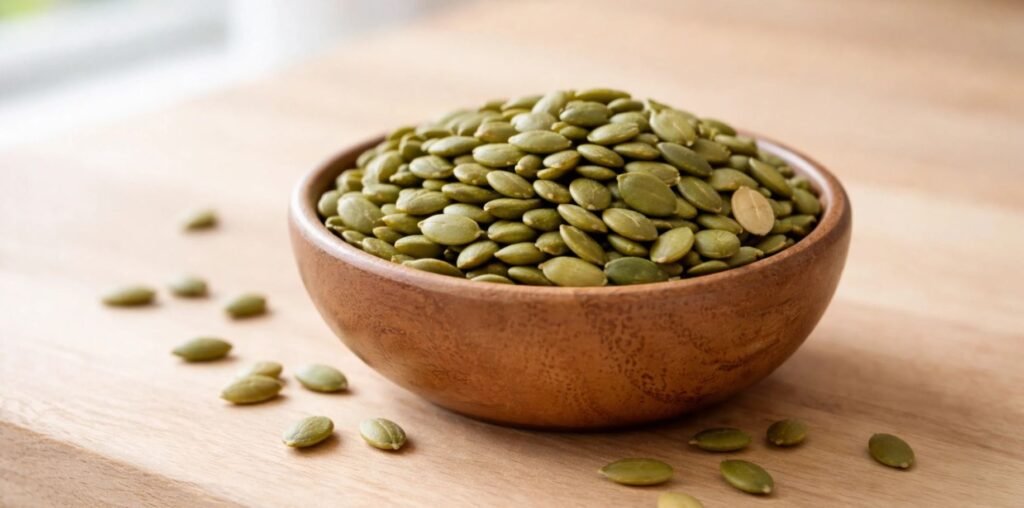
These cute little green nuggets are just a natural source of multivitamins on the seed cake! One can boost the health of a pumpkin by its extraordinary benefits for the heart low cholesterol and trans fat and rich in natural tryptophan, which actually facilitates a better night’s sleep.
The high fibre content helps to keep you feeling full and satisfied longer, making it an important factor in weight management diets. Well, the antioxidants in immunity are working these days to maintain the body’s defenses. They don’t require any preparation and can be eaten right out of the box. They are ideal when you’re on the go and can’t spare time for preparation to get the nutrition you need from your superfood.
4. Walnuts
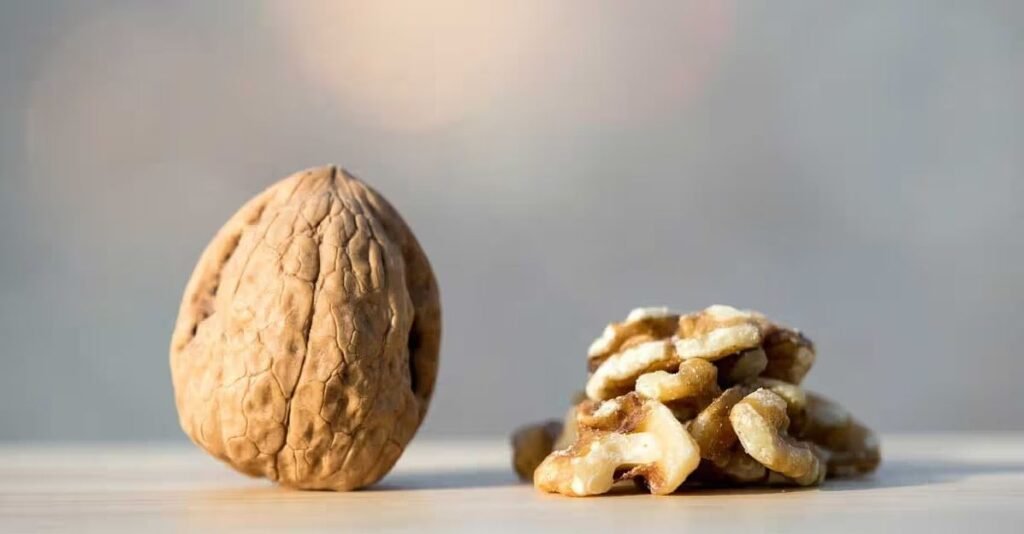
Walnuts are a healthy and delicious alternative of protein in your daily diet 1/4 cup (29 g) of walnuts contains 4.5 g of protein. They also contain high levels of heart-friendly fats, ALA fatty acids (oleic acid, which are high in walnuts) in particular. Research indicates that ALA could potentially lower the likelihood of developing cardiovascular ailments and promote cardiovascular health. The abundant natural flavor and satisfying bite of walnuts result in versatility in use with salads, smoothies and baked goods, or when used as crunchy crumbles or whole grains as ground meat or hamburger.
5. Sunflower seeds
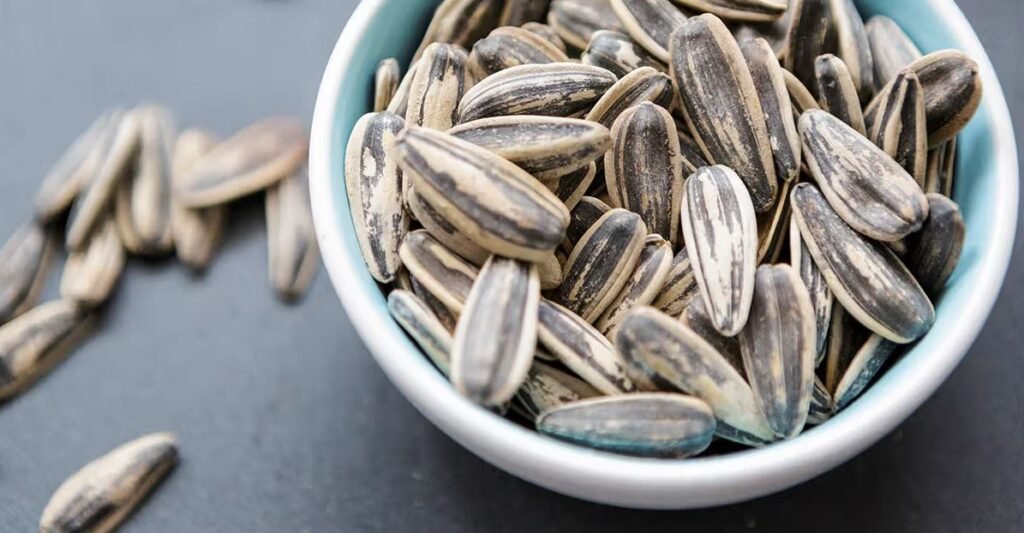
Powerhouse seeds that have the maximum quantity of protein, healthy fat, fibre, vitamins and minerals is sunflower seeds. Some great snack suggestions that provide approximately 29 grams of protein, 72 grams of healthy fats per cup and 16 grams of net carbs. They are rich in vitamins B1, E, folate, copper and selenium, which are the ingredients controlling cardiac health, immunity, and general well being.
They not only have a high fiber content, which helps to aid digestion, but they also add extra filling power. These seeds can be added as a garnish for salad, incorporated into recipes for a nutritious component, and eaten by the handful as a healthy snack with a boost. They are a perfect salad garnish, recipe addition for added nutrition, and a handy snack option for a healthy diet.
6. Hemp Seeds
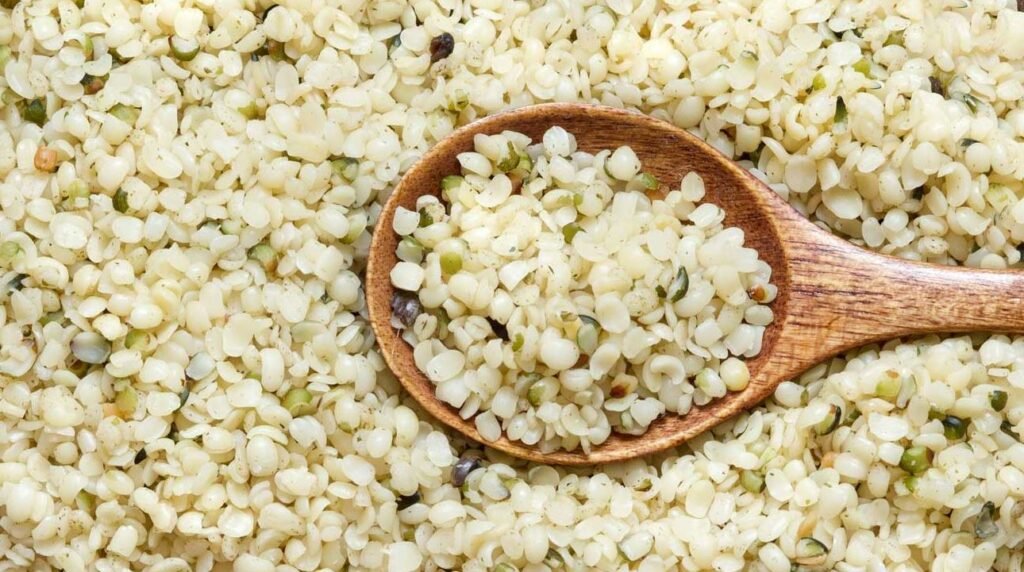
About plant protein, hemp seeds rank as a nutritional whiz kid. They are actually very small and have a light flavor with the same plant that develops weed but with a different variety of the plant that has very little THC. Hemp Seeds are good for vegetarians and vegans as they contain good quality protein. They also include important minerals, like the omega-3 and 6 fatty acids, fibre, magnesium, iron and zinc. Their tenderness allows them to be added to smoothies, salads, yoghurt, and baked goods, making them a great addition to dishes and adding some impressive health!
7. Chia seeds
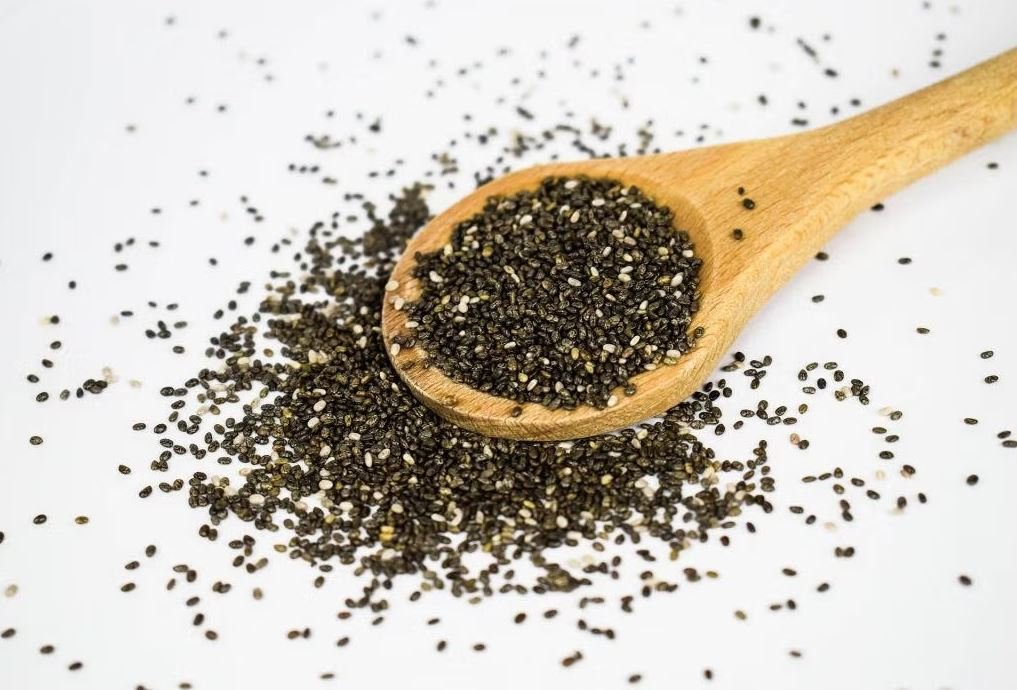
Whole chia seeds are a healthy whole food that will provide you with a punch of protein content, healthy fats and fibre. These, too, contain significant amounts of protein, fat and total carbohydrates (net), around 26g, 12g and 49g, respectively. Chia seeds are definitely popular for individuals looking to improve their digestive well-being, immunity and health of the heart and circulatory system health without having to resort to vitamins and supplements or any type of additional help. Can easily add to own baked goods, yogurt, oatmeal, and smoothies for extra nutrients. Unfortunately, a typical serving size is just a few tablespoons and chia seeds are very calorie and nutrient-dense. Don’t drink it all in one shot!
8. Flaxseeds
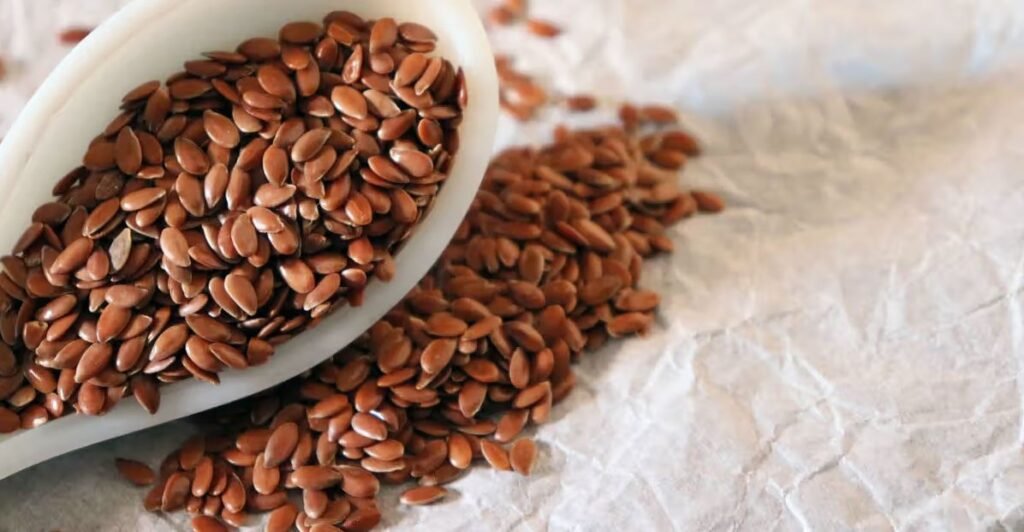
Flaxseed is an excellent dietary supplement with a remarkable amount of protein content, fibre and nutrients. The 1 ounce of flaxseeds would equal to 5 grams of protein content. The flaxseeds make a great plant protein for muscle health and overall well-being. In addition, they contain nearly 8 grams of dietary fibre per 1 ounce, which will aid in digestion, maintain gastrointestinal tract health and will help you feel pleased for longer.
The other benefit of the flaxseeds is that they are convenient; you can either use them in your smoothies, plant your oatmeal with them or your yogurt, buckets of greens, and baked goods as an additional food source each day or just as plain flaxseeds for extra fiber.
9. Almonds
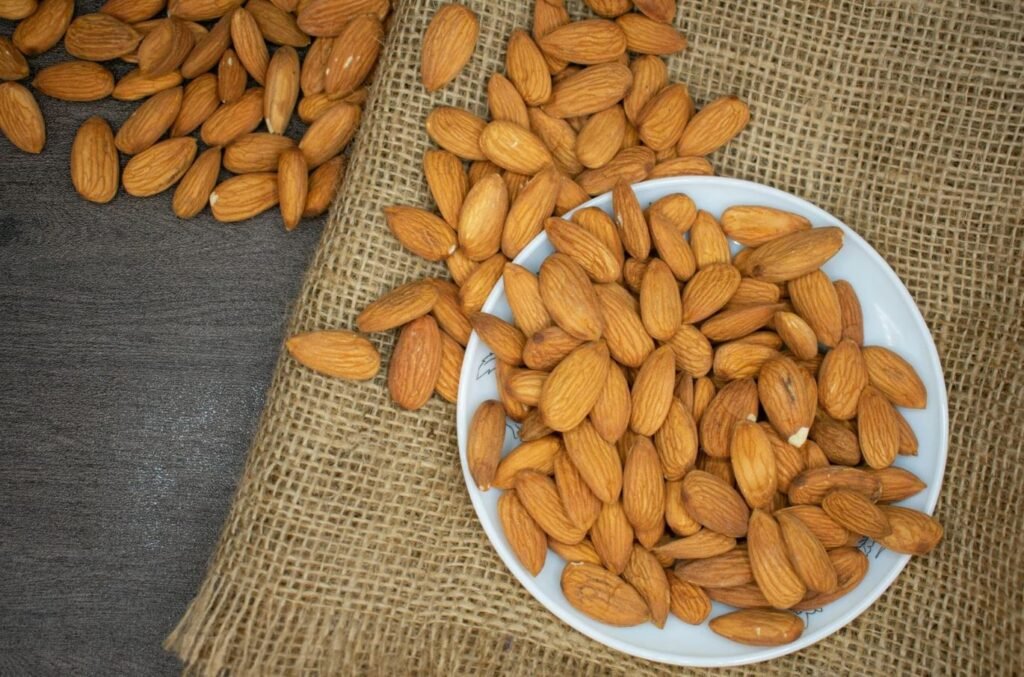
Almonds make a tasty and healthy snack, with several health benefits. Almonds have approximately 6g of protein per ounce, which is a great source of muscle support and a good aid in making your tummy feel fuller for longer. They’re also packed with antioxidants, heart-healthy B-vitamins, vitamin E, and magnesium, which can benefit the skin and promote health and wellness. Almonds are suited for consumption in any raw form, either as a simple, fast snacking item, or as an addition to breakfast bowls (and many others), or as almond flour for making nutritious baking items.
10. Cashews
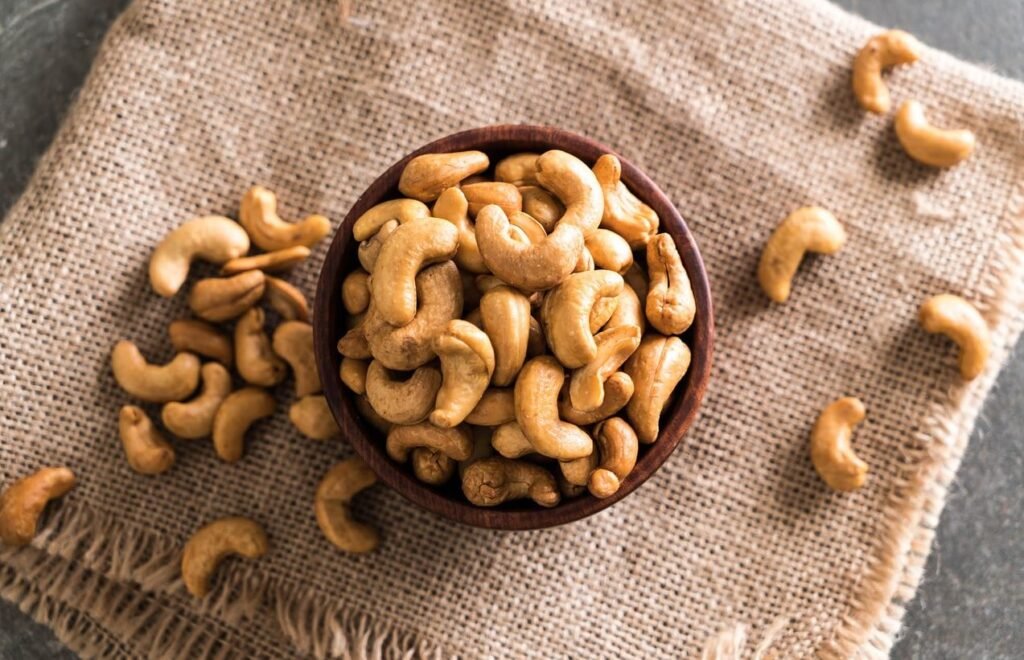
Creamy and deliciously sweet, cashews are rich in iron, zinc and vitamin K. In fact, says research, cashews could work as a prebiotic, a substance that feeds and nourishes the good bacteria in the gut. Cashew “cheese” has become popular in plant-based cuisine, and is often used to make vegan cheese sauce for noodles. Cashews can be used to enhance the flavor of vegetables, or chicken or beef used in stir frying or curry dishes.
11. Pistachios
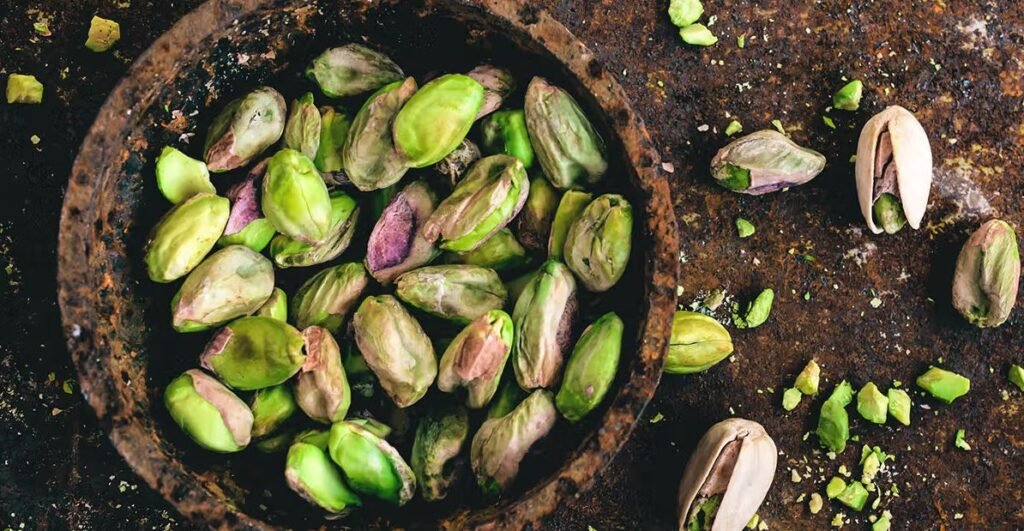
Pistachios are a delicious tasting seed that is used in many different sweet & savory recipes – creamy gelato, all-star pesto, baked desserts and fresh salad. Pistachios have a rich green color and have a slightly sweet and nutty flavor that will also add texture and nutrition to a meal. Pistachios are high in protein, particularly shelled pistachios, which are favored by health-conscious people as snacks among all tree nuts. What makes them even more amazing is that they are also called a complete protein source as they consist of all nine major amino acids the body desire to sustain growth, repair and health in a balanced diet.
12. Hazelnuts
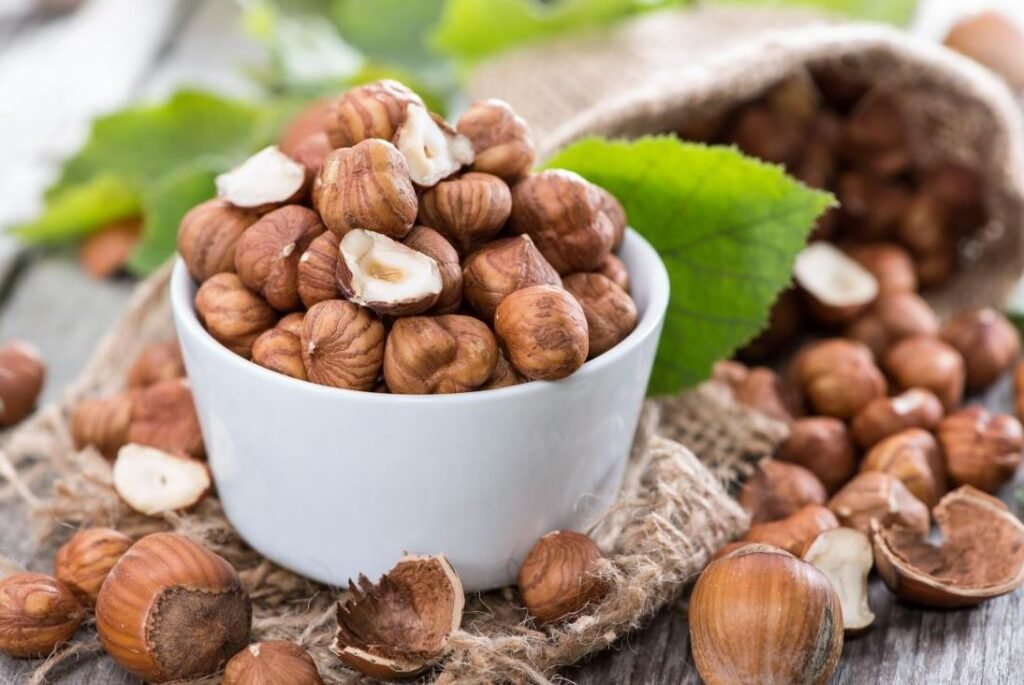
Hazelnut is rich in fiber, protein content and healthy monounsaturated fatty acids (MUFAs) that are essential. These healthy fats can contribute to decreasing the amount of “bad” cholesterol and, consequently, to better cardiovascular health. Hazelnuts are rich in antioxidants such as vitamin E and polyphenols that safeguard the body against damaging oxidative stress and inflammation due to free radicals. Although hazelnuts are fattening, moderate intake is not always linked with weight gain as the nuts keep you feeling fuller and improve health. Incorporating hazelnuts into a diet can be a beneficial addition to one’s heart health, energy and nutritional intake to ensure health and vitality.
13. Macadamia Nuts
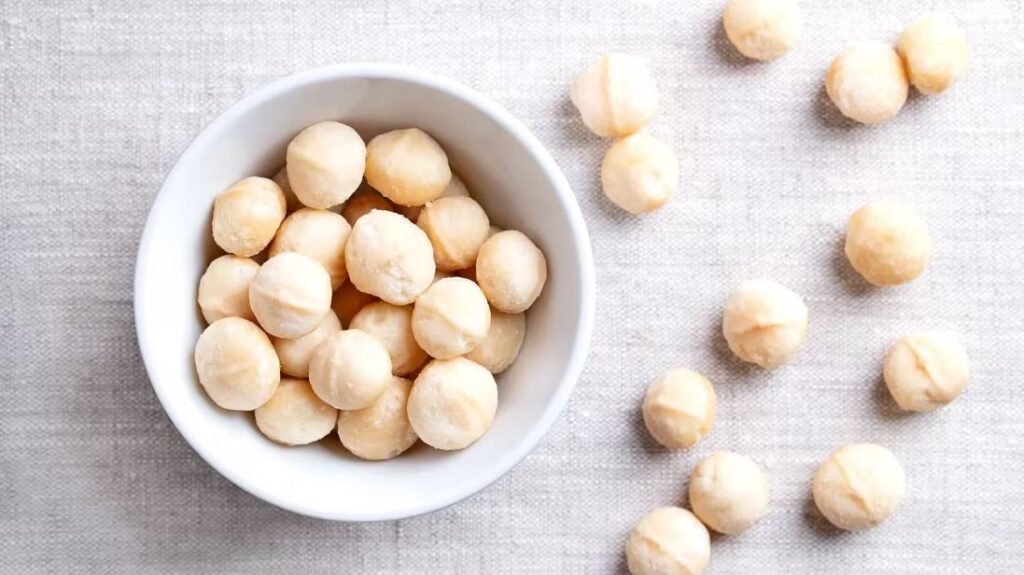
Macadamia nuts are an excellent protein source and contain about 21 grams of good fats in a serving. It has low levels of carbohydrates when compared to some of the other nuts, but relatively high amounts of calories. Researchers found that eating macadamia nuts as 15% of daily calories in a 1,800-calorie diet did not lead to weight gain. These nuts are a great source of thiamine, which is beneficial to energy production and nerve function. Plus, macadamia nuts could lower levels of blood cholesterol. They have almost 47% oleic acid, a heart-friendly fat that is also present in pecans and olive oil, making them a healthy snack option.
14. Brazil Nuts
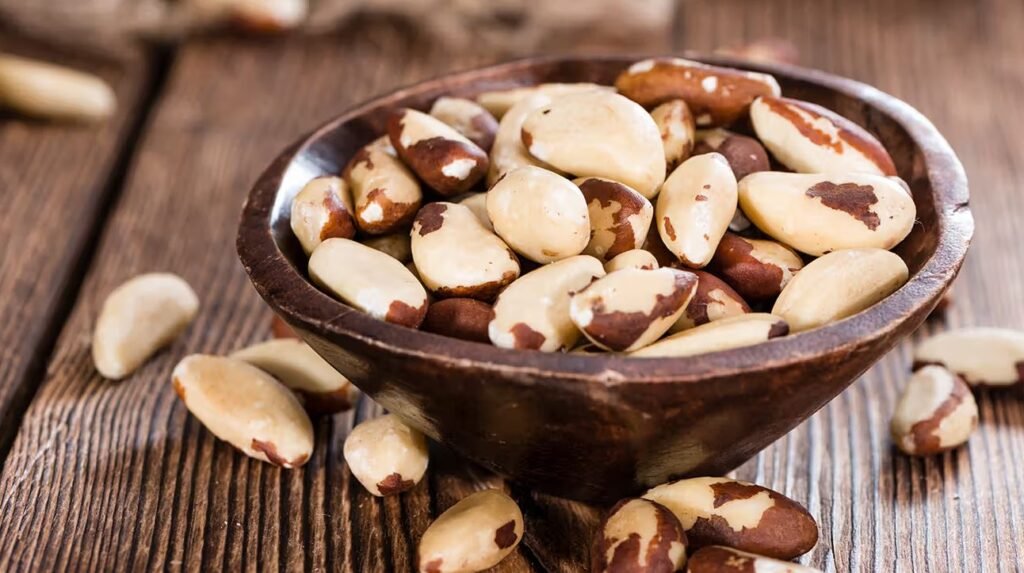
Snack on the Brazil nut as it is jam-packed with many nutrients, including 4.75g of protein in 1/4 cup (33g). They contain high amounts of selenium, an all-star antioxidant that is essential for thyroid function, a healthy immune system, and protective cellular function. In fact, certain dietary intakes of Brazil nuts can supply almost double the advised selenium intake (when regarded a vitamin supplement) and all it requires is moderation. These crunchy nuts contain other nutritional benefits, including heart-healthy fats, fiber, magnesium and zinc for healthy brain function. Nuts can be consumed as a standalone snack or in smoothies, oatmeal, trail mix or desserts as a good source of nutrients.
15. Pecans
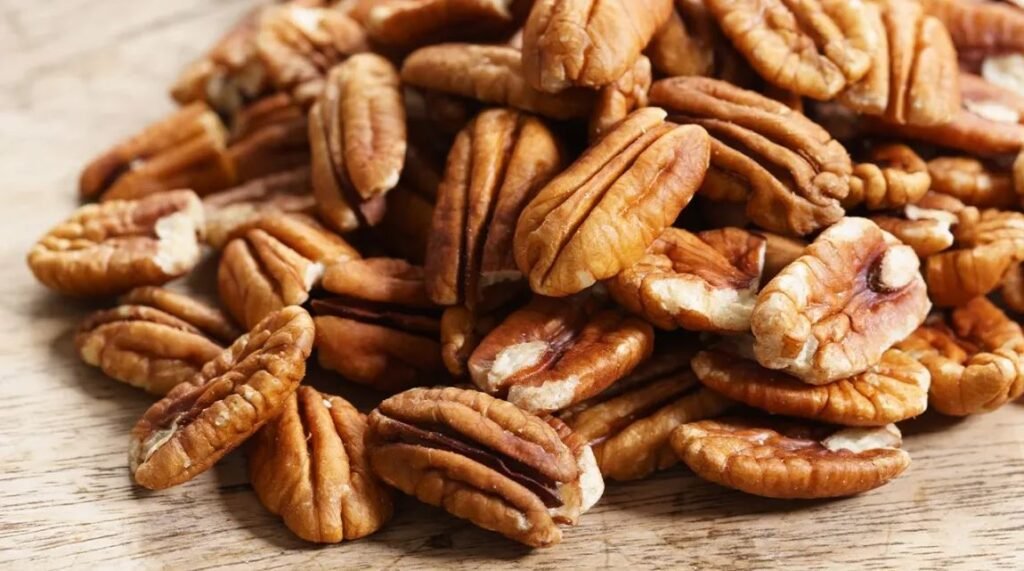
Tree nuts are derived from hickory trees, which grow in Northern Mexico and the Southern United States—Pecans. The high-fat nuts are high in calories and have moderately high protein nuts and seeds. Pecans, too, are a great source of micronutrients, thiamine, zinc, and copper, a great source of monounsaturated fatty acids, and antioxidants (in the form of vitamin A) for an easy snack or an addition to granola or baked oatmeal.