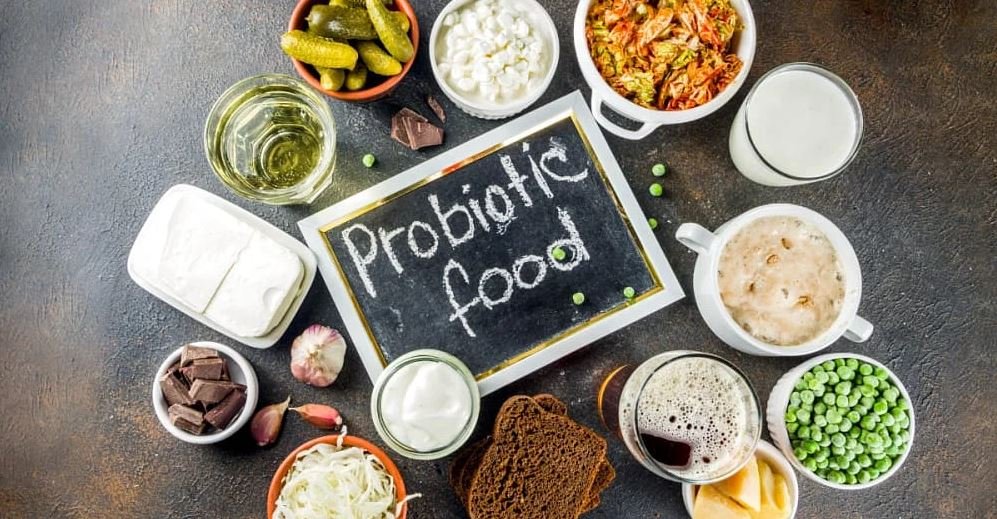
Your gut does not just digest food; it has an effect on the immunity, mood, skin and even the life-long health effects. Among the simplest and most efficient methods of maintaining the health of your gut, one can definitely list eating probiotic foods to keep your gut healthy. The blog covers the natural and available top 20 probiotic foods, the gut healthy foods, the importance of gut health, and debunks the misconceptions about prebiotics and probiotics. I will go to the bottom of it, your gut.
Table of Contents
Top 20 Probiotic Foods
1. Curd (Dahi)
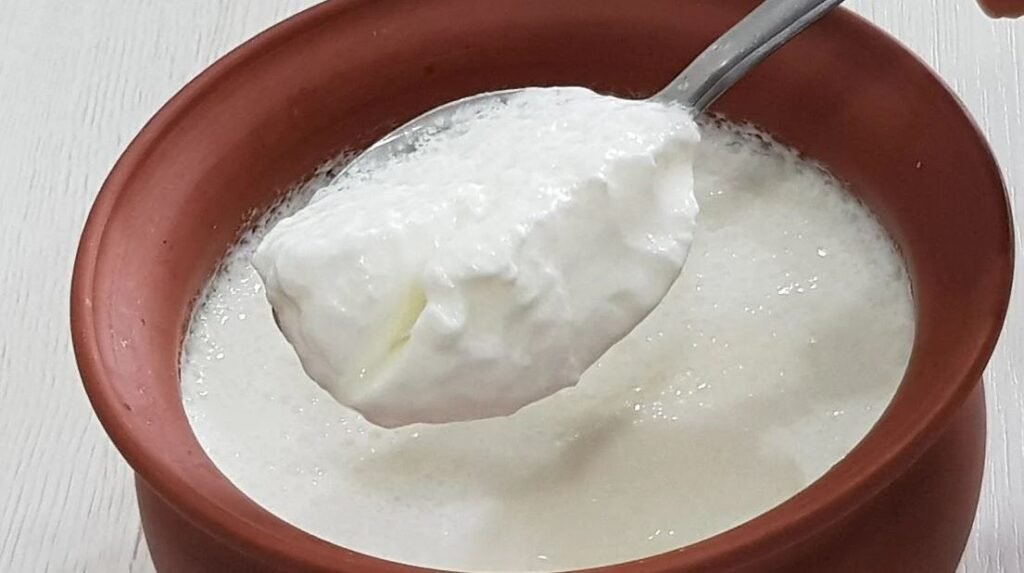
Curd or dahi is a regular commodity used in Indian homes and a booster of health. It provides with all essential nutrients, such as calcium, vitamin B12, riboflavin, phosphorous and it is very beneficial when it comes to general health. Frequent use of curd assists to make the bones stronger, enhance the immunity and maintains a well-functioning digestive system. It also makes it one of the best additions to the day-to-day meals, especially when there is an incidence of hot weather.
2. Idli & Dosa
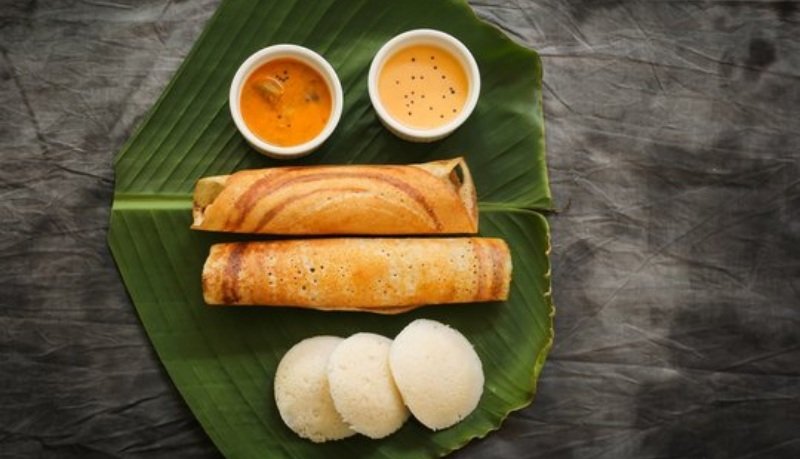
Idli and dosa are South Indian cuisines that are delicately known to be light with high nutritional value. They are great sources of carbohydrates, proteins, Iron and Vitamin B-complex as they are composed of fermented rice and urad dal. The fermentation process will not only increase nutrient bioavailability but it will also add in probiotics, which aid in gut health and digestion. The foods are readily digestible thus suitable to all ages including children and the elderly. Continuous use may also help in enhancing their energy and general health in addition to enhancing a healthy digestive system.
3. Kefir
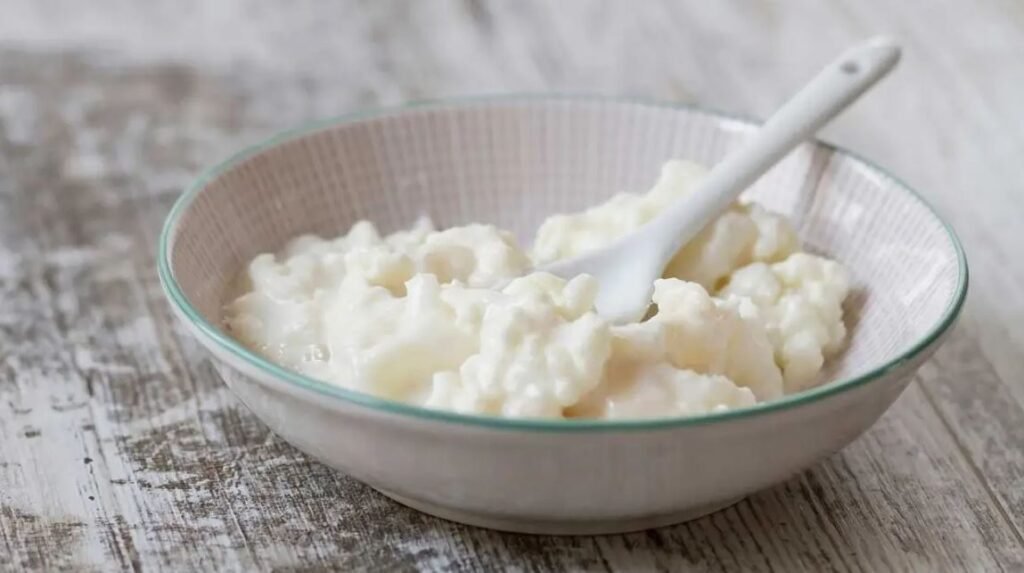
Kefir is a healthy fermented juice that is prepared by the insertion of kefir grains in the milk of cows or goats, and then forms a formidable combination of good bacteria and yeast. The special fermenting process results in a strong probiotic that helps to maintain the health of the gut, digestive system, and overall well-being.
However, unlike most other dairy products, kefir is highly diverse and has a massive variety of microbial strains that are present, as compared to yogurt. It is enjoyable and healthy due to its tangy taste and smooth texture. Biweekly doses of kefir can serve to enhance immunity, improve digestive efficiency, and promote a balanced gut microbiome, and as a valuable component of a healthy lifestyle.
4. Kanji
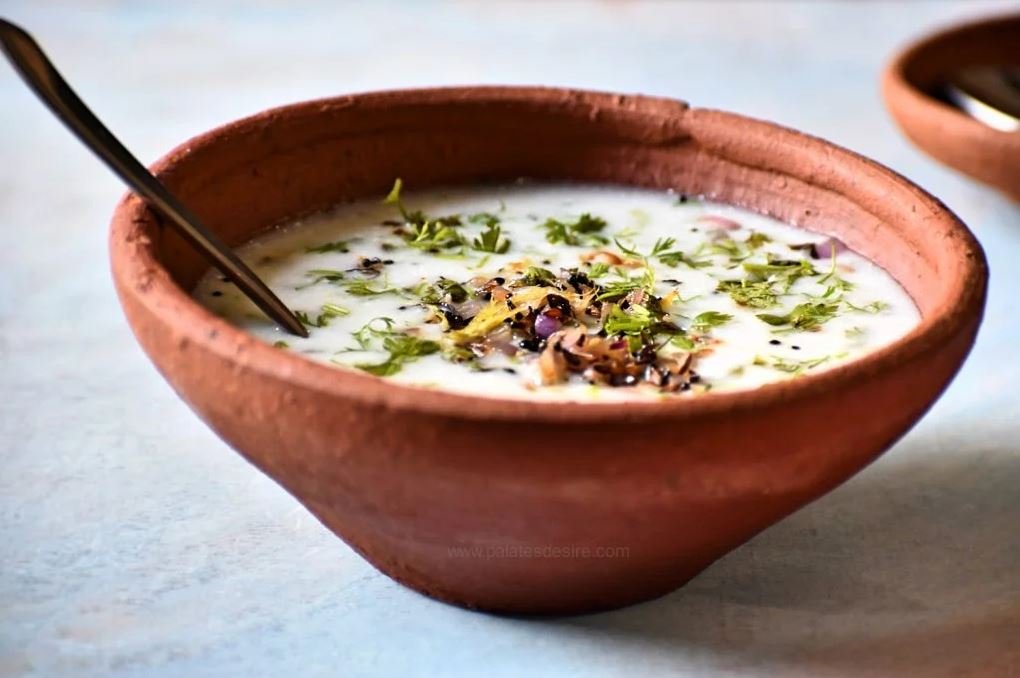
Kanji is an ancient fermented Indian beverage, which is traditionally popular in North India and has remarkable health properties and flavor. It is also a great source of essential nutrients like Vitamin C, antioxidants and iron that aid in the enhancement of the immune system and well being. Produced using black carrots and mustard seeds, Kanji inherently develops health probiotic strains, particularly the lactic acid bacteria that aid with healthy digestion and bowel balance. It is a refreshing beverage that is especially valued because it detoxifies, thereby helping to clean the gut and boost the metabolism. It may also be used to promote better digestion, immunity and a healthier gigantic body and more energized since Kanji is frequently used.
5. Yogurt
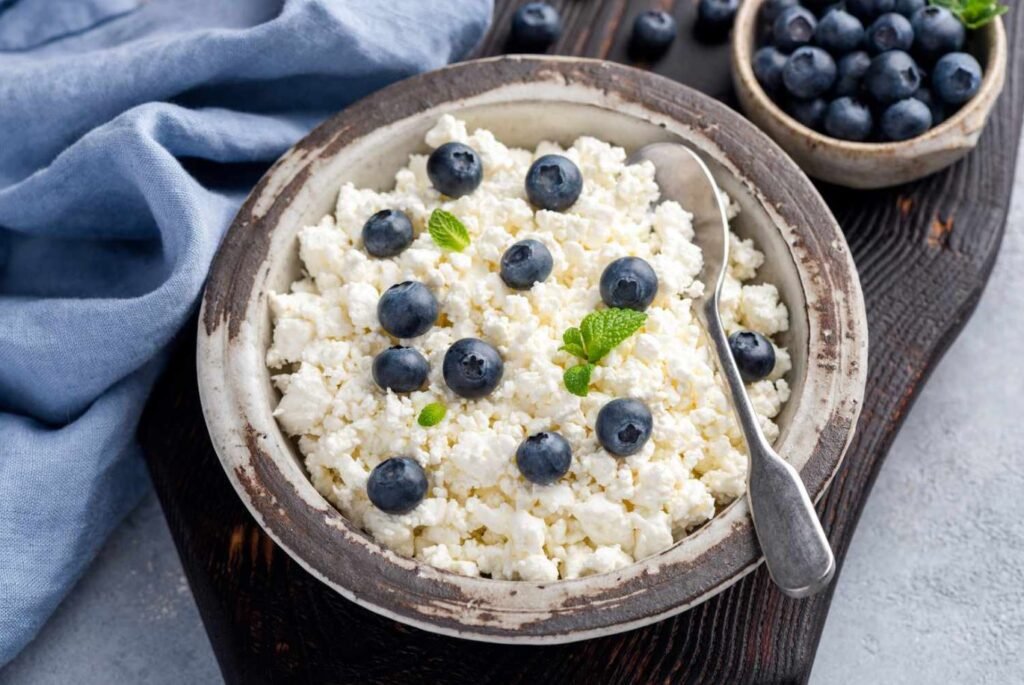
Most supermarkets have yogurt and it is highly regarded due to its health and nutritional value as well as taste. It has beneficial probiotic properties, a natural property that it has to promote good gut health and balance. Yogurt has also been known to decrease the risk of osteoporosis, diabetes as well as cardiovascular diseases. Consuming yogurt daily can also help in strengthening your bones, improving gut health, and increasing your nutritional intake.
6. Acidophilus Milk
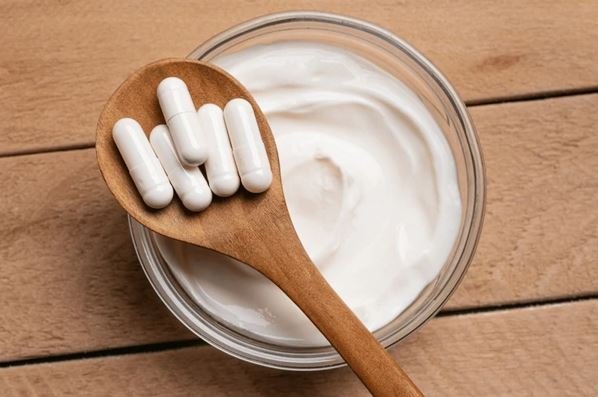
Acidophilus milk is a healthier fermented dairy that is prepared by adding the probiotic bacterium, Lactobacillus acidophilus, to cow milk. In the process of fermentation, this useful strain ferments lactose and adds gut-friendly bacteria to the milk. Acidophilus milk consumption has been linked to several health benefits and they include better gut microbiome balance, improved digestion and better immune functioning. It can also aid in reducing the level of cholesterol and in maintaining the general health of the heart. Acidophilus milk is a healthy form of milk with its mild tangy flavor and its probiotic content, it is a good supplement to a healthy and balanced diet.
7. Pickles
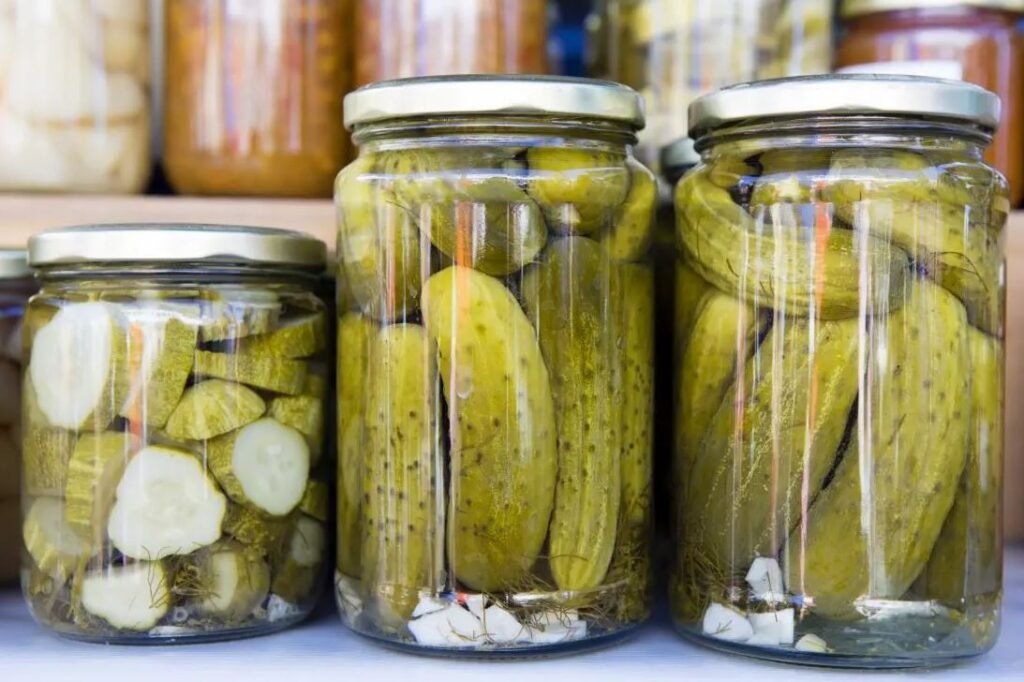
Pickles are generally made out of veggies or fruits by preserving them in a salt and water mixture. Their lactic acid bacteria, which is produced by the plants, are fermented by the process over time, making them have a sour taste. Pickles made of cucumber is an excellent natural source of probiotic bacteria that can help improve digestive disorders. Note, however, that pickles are most of the time heavy on salt, and in case you have any dietary sensitivities, you can use an alternative. Moreover, pickles that are made with vinegar do not have live probiotics, so one should be careful of what he is eating.
8. Sauerkraut
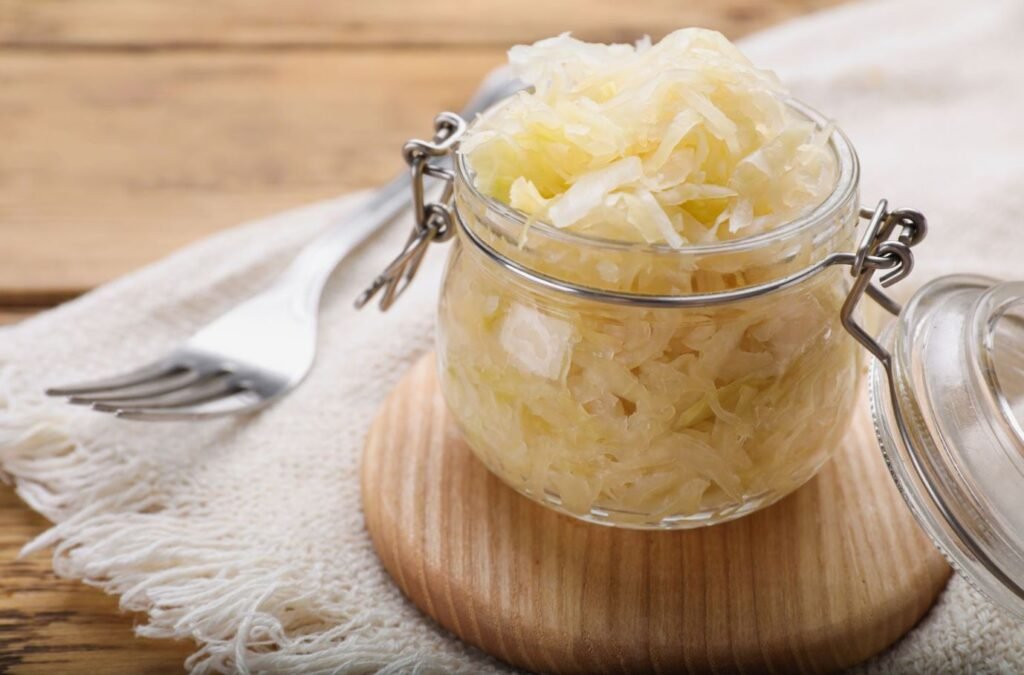
A product to which a few aspects are added is particularly the finely shredded cabbage that is put under the influence of natural fermentation, as is the case with sauerkraut. In the process, useful bacteria grow, rendering it a good source of probiotics, which facilitate gut health and digestion. By regularly taking sauerkraut, one can achieve a better balance of the good bacteria in the digestive system, increase immunity and increase the absorption of nutrients. It also contains good sources of vitamins such as C and K, and essential minerals. With its health benefits and delightful taste, sauerkraut is an easy-to-make ingredient that’s part and parcel of a balanced and healthy diet.
9. Paneer
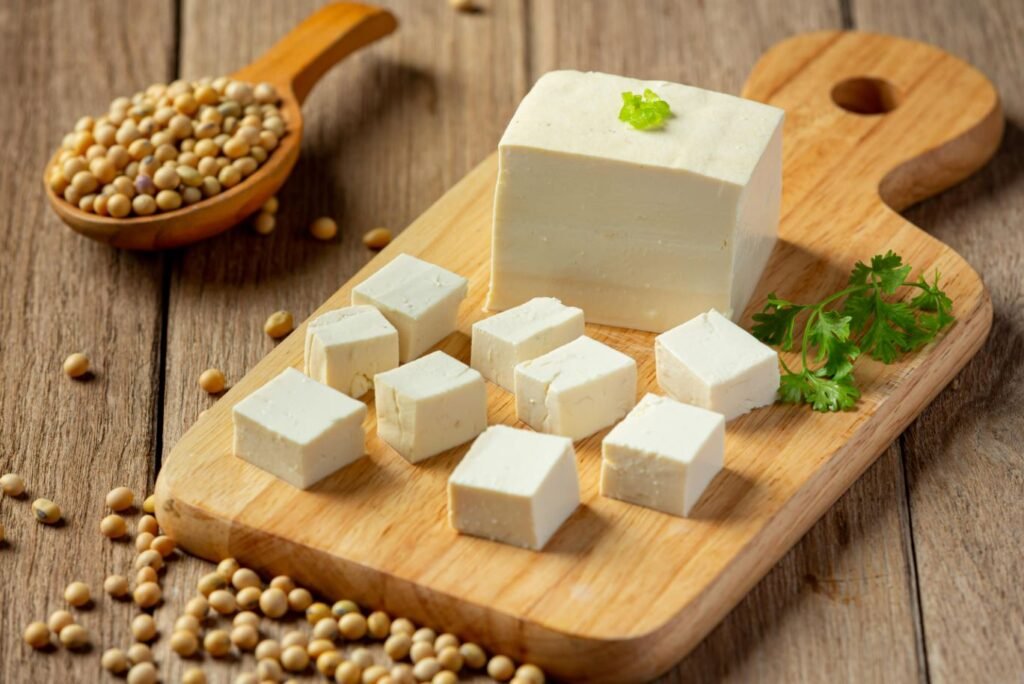
In small amounts, paneer could be a healthful addition to your food. Although paneer is not a notable source of probiotics, it may contain very little amounts of probiotics from freshly made or store-bought paneer, made from cultured milk. That’s the high protein content in paneer that makes it beneficial, which aids the growth of their muscles and the health of the body. Paneer can be paired with vegetables or vegetables with the top 20 probiotic foods, such as spinach and bell peppers to make it a healthier meal. The combination makes digestion and the nutritional content better; helping to form a balanced diet that is healthy and fulfilling.
10. Fermented Vegetables

Raw carrots and beets are another fermented vegetable that contains some natural probiotics that aid digestion and digestion, which helps to promote gut health. After cooking in the natural salt water, they’re left to ferment naturally for additional flavor and nutritional value. It can regulate the balances of the flora of the intestine and strengthen the immune system when taken regularly. While preparing the food, however, it is important to maintain good hygiene, so that under no circumstances is an excessive growth of harmful bacteria allowed. The correct proportions of salt, fresh ingredients and clean utensils ensure that there is safe fermentation of these healthy foods and preservation of the health benefits.
11. Apple Cider Vinegar
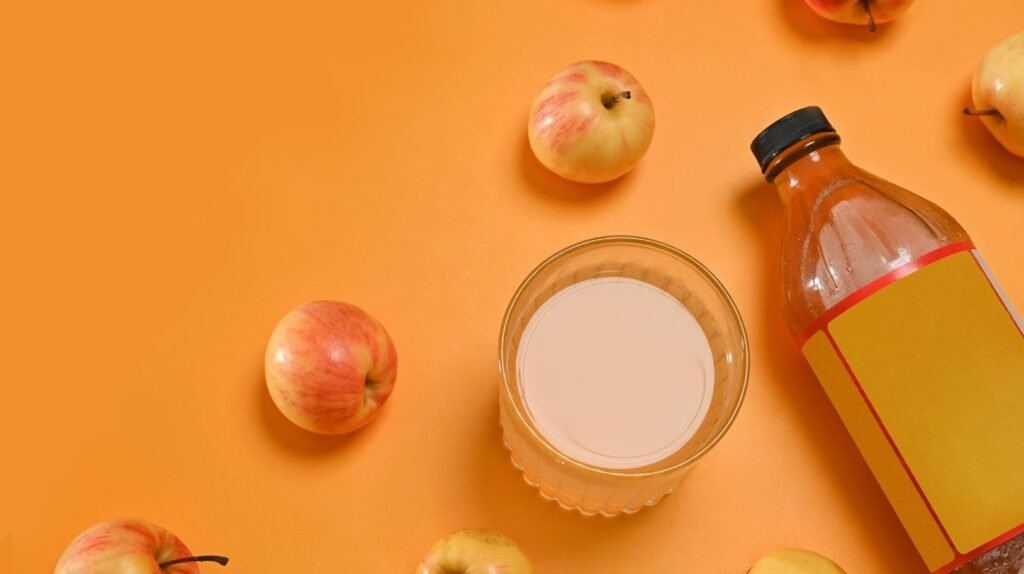
Another readily available food is apple cider vinegar, which can potentially provide health benefits. However, to obtain probiotic benefits, one must find a brand that is not pasteurized and does include the so-called mother that is the live culture of fermenting organisms. Besides supplying probiotics, apple cider vinegar can also be useful in regulating blood sugar levels, losing weight as well as delivering anti-microbial properties.
The apple cider vinegar can be added to a balanced diet, though it is not a probiotic itself, to enjoy the benefits of the microorganisms and its gut-friendly properties. It should also be mentioned that the acid was previously known to destroy tooth enamel and cause indigestion, so it is recommended to add the acid to water (or any other substance) and consume it well diluted.
12. Natto
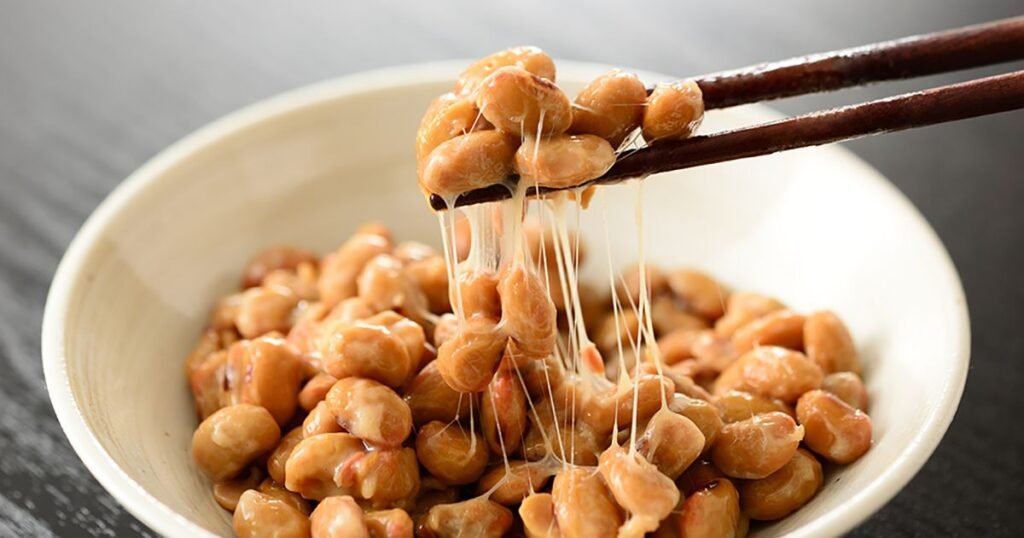
Natto is a Japanese probiotics product, fermented soybean, which has a strong flavor, sticky texture and amazing health advantages. It also contains a lot of useful bacteria, especially Bacillus subtilis, which maintains the health of the gut and enhances digestion. Natto is also rich in all the necessary nutrients, including protein, vitamin K2, iron, and calcium and can be a very nutritious contribution to a balanced diet. Usually served with rice, it is a popular food item in most Japanese families. Natto is an acquired taste but is appreciated as it enhances immunity, improves the health of the heart, and helps the individual to live a healthy life provided that consumption is regular.
13. Tempeh
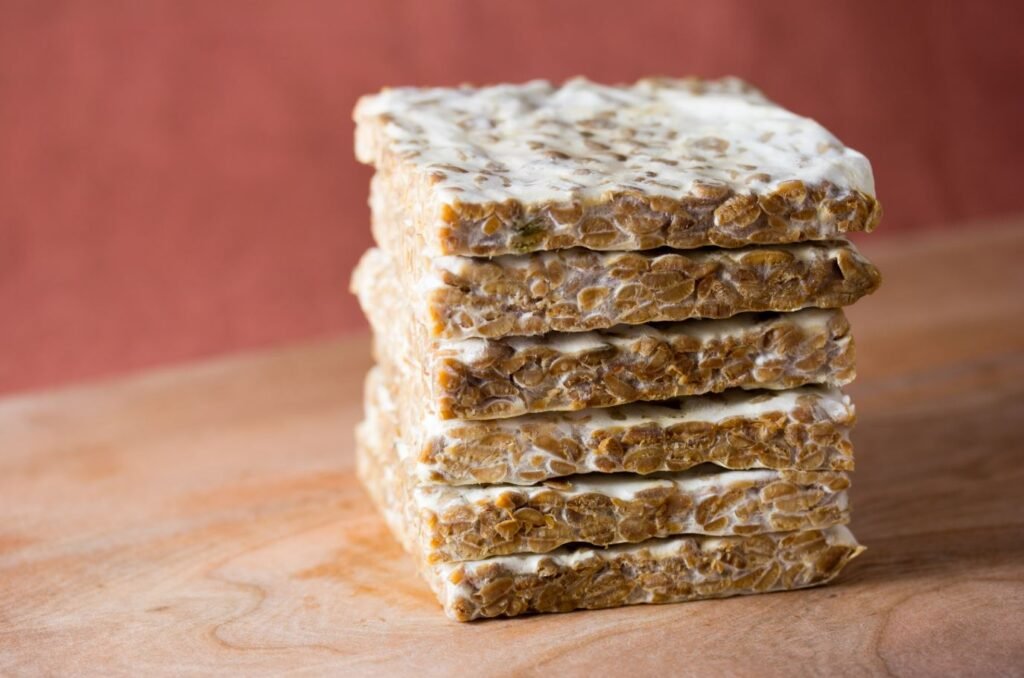
This fermented soybean food is another excellent food item that gives probiotics and hails out of Indonesia. Achievement of tempeh involves the incorporation of a starter of tempeh to soybeans. The product is then allowed to dry overnight or so; this yields a cake-like product. You can either eat tempeh the way it is or boil them and then serve it with miso. It can also be used as a substitute for meat in a stir-fry meal and can be baked, grilled, marinated or sautéed.
14. Kvass

Kvass, much like kombucha, is a fermented beverage with low alcohol content that commonly occurs in several Eastern European nations. It is prepared using fermented malt, rye powder and pieces of stale bread. Kvass resembles beer in appearance. Due to the absence of any heat processing post-fermentation, kvass contains a lot of probiotics in this case, lactic acid bacteria. Though no studies have been conducted on humans yet, researchers have discovered that animal studies show that Kvass can be used to alleviate digestive symptoms.
15. Dhokla
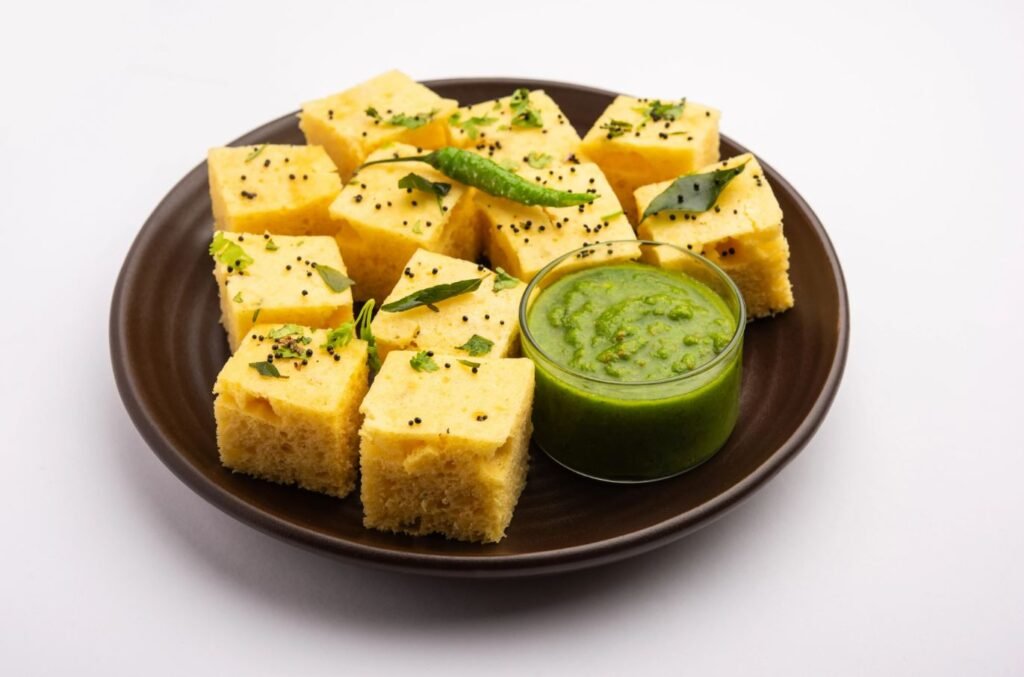
Dhokla is a fermented snack, a steamed dish prepared with fermented gram flour, and it is soft with a tangy taste. It is not heavy on the stomach and full of probiotics, aiding healthy digestion by enhancing healthy items in the gut. Dhokla is a healthy option, rich in protein and fiber and it will keep you satisfied and energized. It also comprises a low level of oil and therefore can pass as a healthy substitute to fried snacks. Garnish dhokla with green chutney or tamarind chutney and make a tasty evening snack or a nutritious breakfast meal which is not only satisfying but also easy to digest.
16. Olives
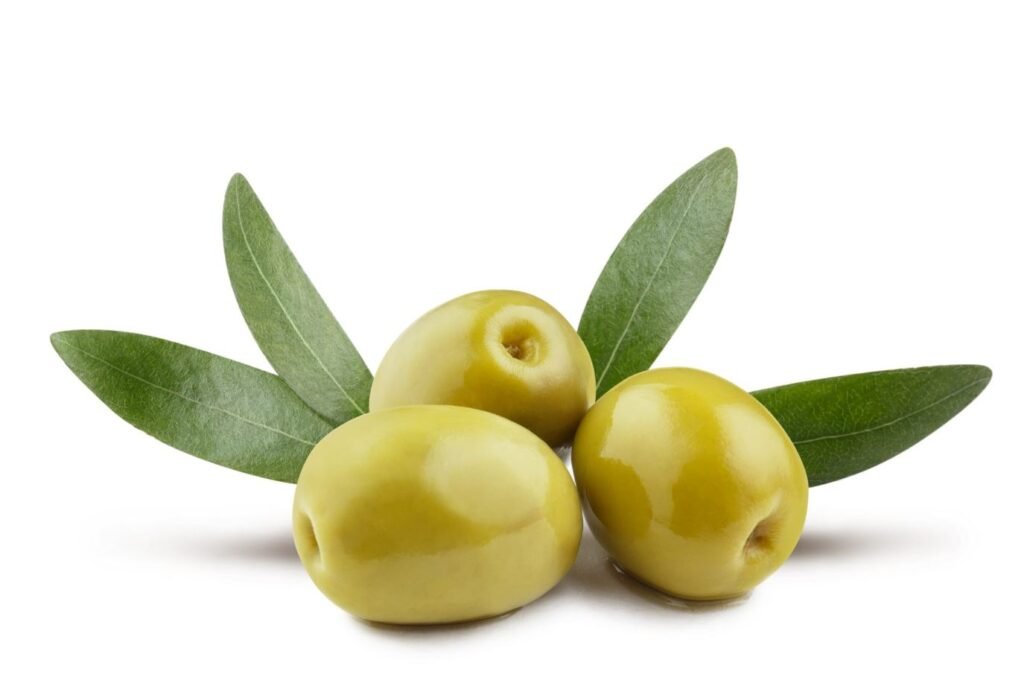
The olives can also be flavored and are a part of a balanced diet; in this case, they have to be brined, supplying probiotics to aid gut health. The monounsaturated fats in olives are beneficial to the heart, and can help to maintain healthy cholesterol and overall circulation. Olive is an excellent snack—alone or with eating other foods. They are full of antioxidants and other vital nutrients that can not only enhance the flavor of your foodstuffs but also help in achieving better health in general.
17. Traditional Soy Sauce
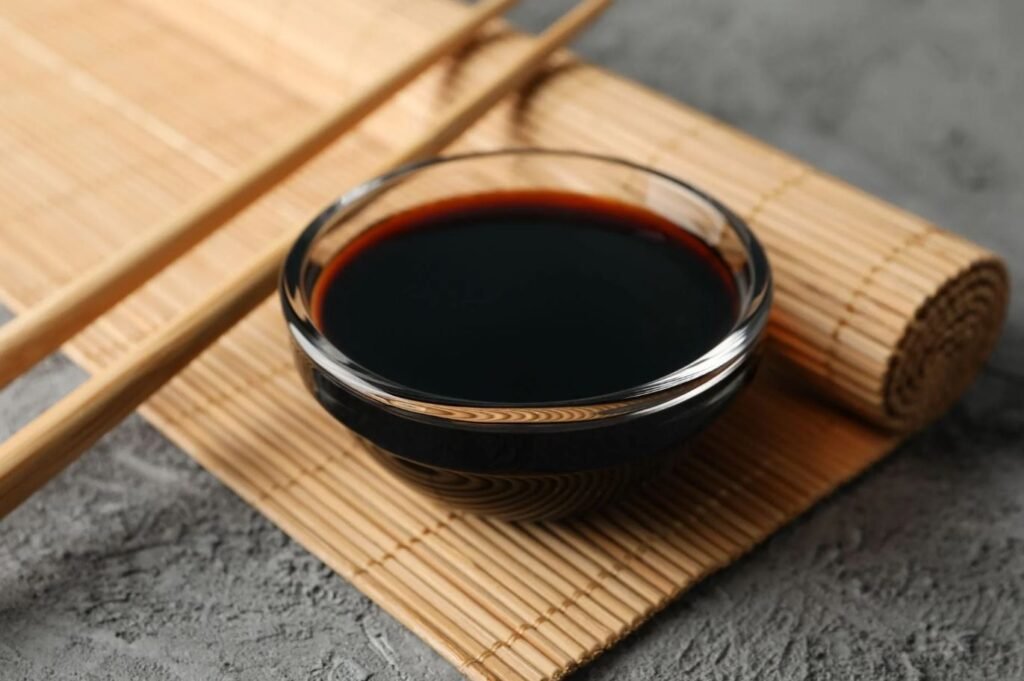
The traditional soy sauce is prepared by a natural fermentation process that enables the beneficial probiotics to mature with time. When taken in moderation and in a balanced diet, these probiotics can help in maintaining a healthy gut. In addition to its health factors, soy sauce is famous among great many who love the rich umami flavor that can be added to various cuisines, starting with Stir-fries and marinades, extending to soups and dips. Its savory nature is deep and gives a complex, deep flavour and even basic meals are more tasty. The benefit of fermented soy is that it is of higher quality, sourced more naturally and includes additional nutrition to those that are processed using chemicals.
18. Nutrition Bars
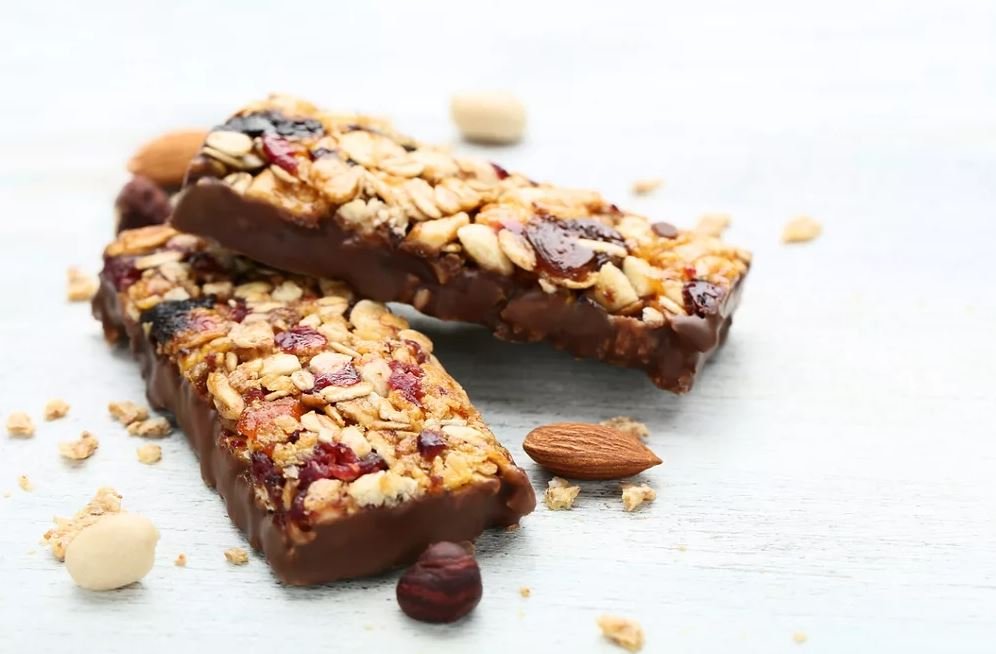
Nutrition bars do not naturally culture into live foods; however, certain manufacturers do add probiotics to the bars. An example would be the bacteria, Bacillus coagulans, which are added to some brands. The most important is what good you want a probiotic to provide. And when the probiotic strain in the nutrition bar you select will provide that, then fine. Only be sure you take plenty of CFUs to make the difference.
19. Sourdough
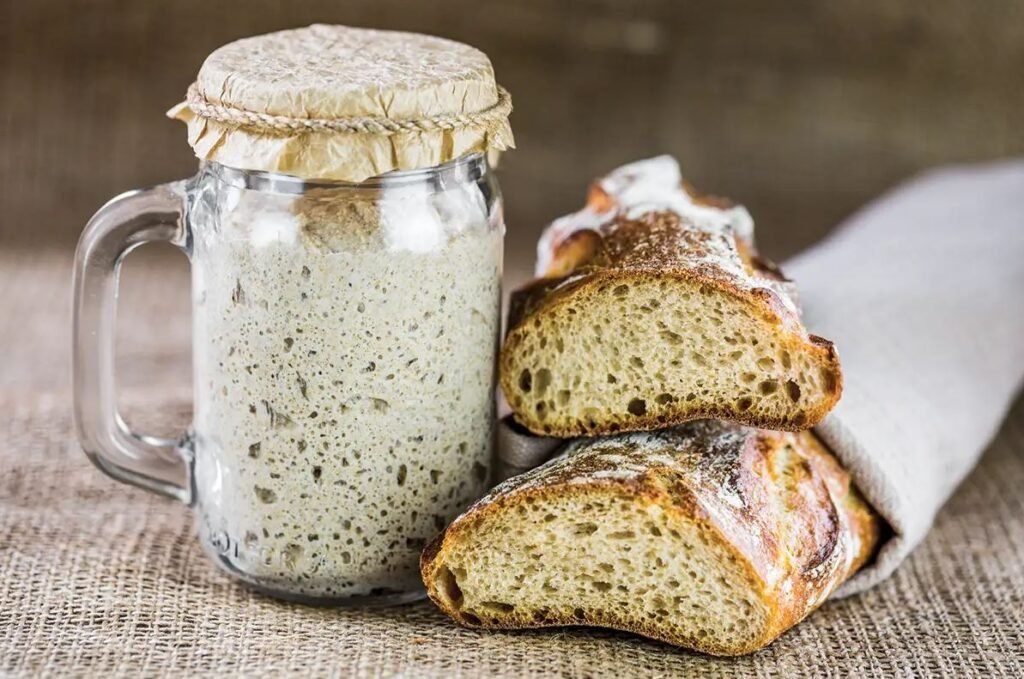
Sourdough is mostly produced with only four different ingredients: the flour, water, salt and a starter culture, which makes it easy to digest and very nutritious. it is the starter and the extended bake of fermentation that is key to the taste, texture and health kudos of sourdough. Despite the loss of the beneficial microbes in the starter by the baking process, there is production of compounds known as polyphenols that become more bioavailable. These serve as a valuable source of fuel to our gut microbes and contrary to a lot of commercially produced loaves, sourdough is healthy in regard to blood sugar.
20. Chocolate

There is a rather ambivalent relationship between dark chocolate and probiotics. Most live cultures perish before the dark chocolate is processed and eaten in quantities that can make a difference to gut health. This implies that it is not a very reliable source of probiotics. Nevertheless, other brands can enrich their chocolate with a certain type of bacteria known to be healthy. Provided these strains are stated clearly on the label, and proven to be functional, these may provide any digestive assistance. Thus, dark chocolate is not typically a major source of probiotics although it can be healthy.
Read Next